Action Hub: building what comes next with Fatima’s UK Campaign

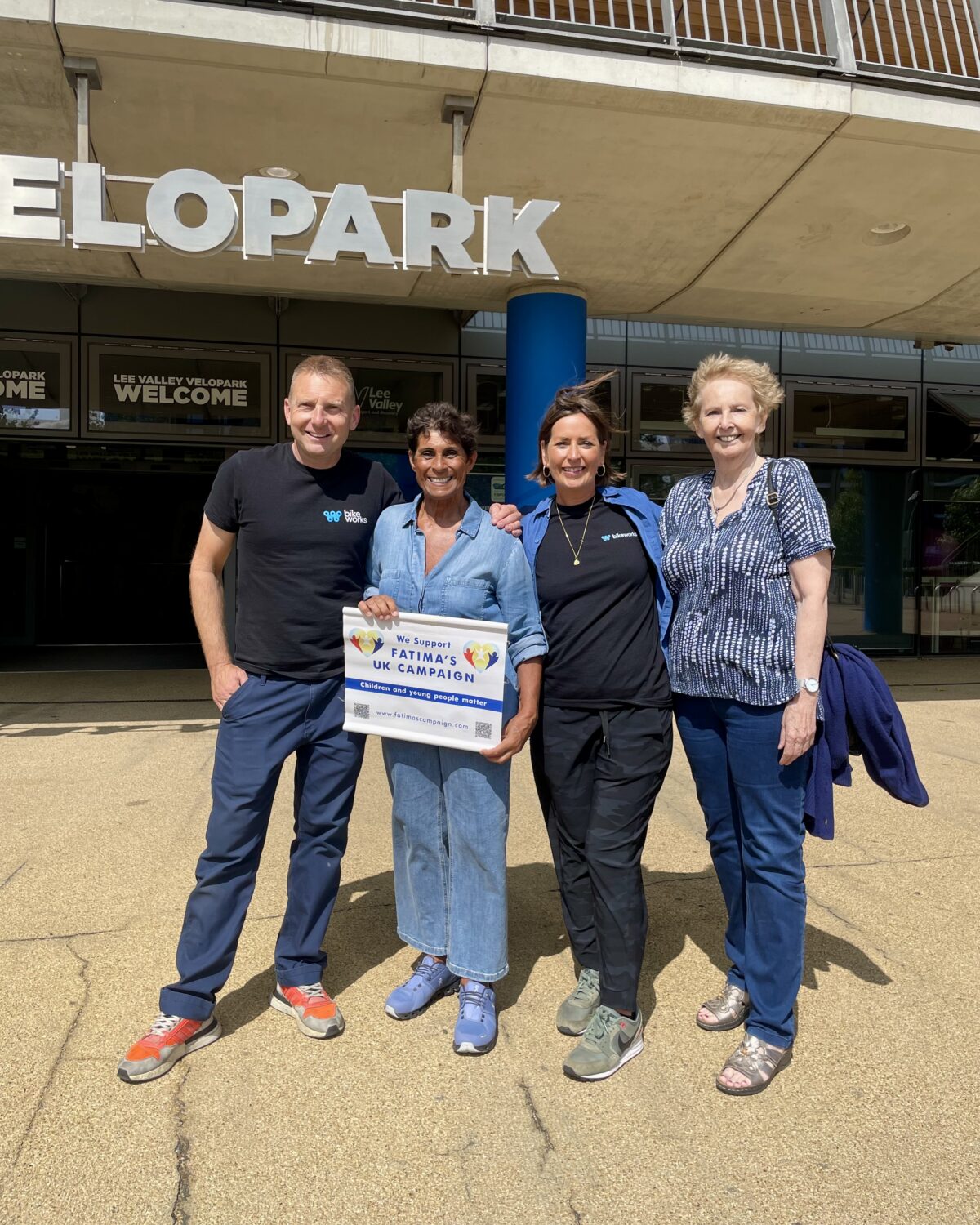
As Bikeworks celebrates its 20th anniversary, we are proud to become an official Action Hub partner with Fatima’s UK Campaign.
The partnership is grounded in a shared belief in the ability and potential of children and young people in and leaving care, and the importance of creating strong relationships, positive experiences and opportunities that can grow over time.
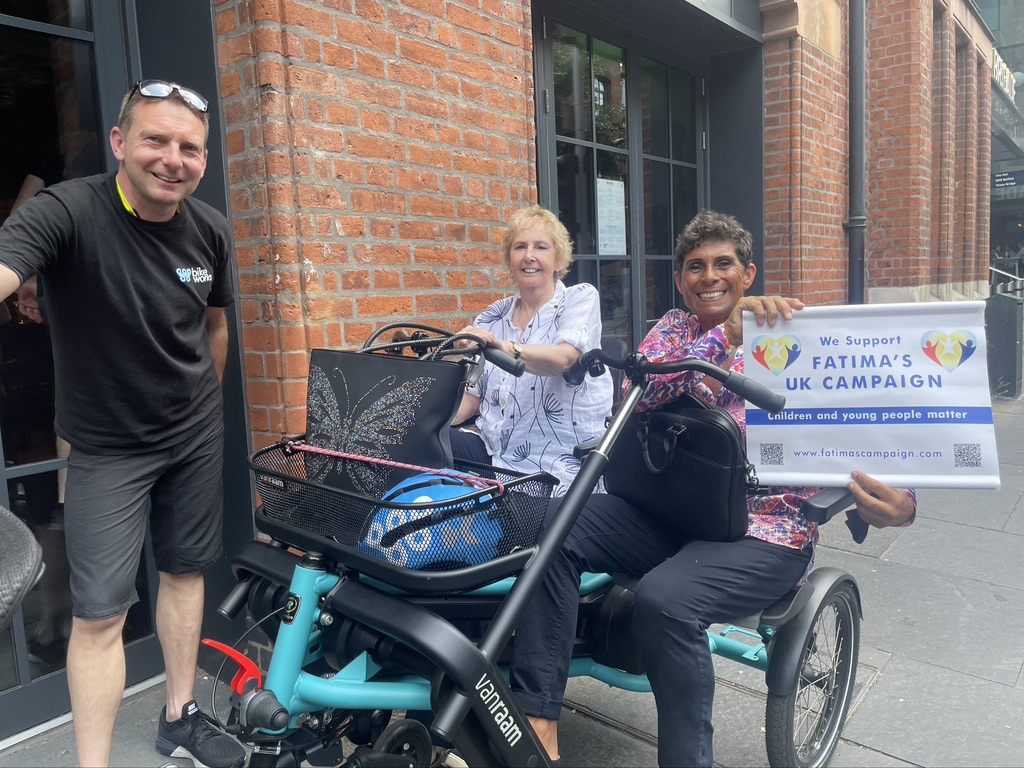
For Bikeworks, it marks the next stage of a relationship that began two years ago, following a chance meeting with Fatima and a ride together on one of our side-by-side cycles.
From a chance meeting to the Action Hub
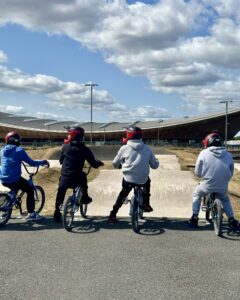
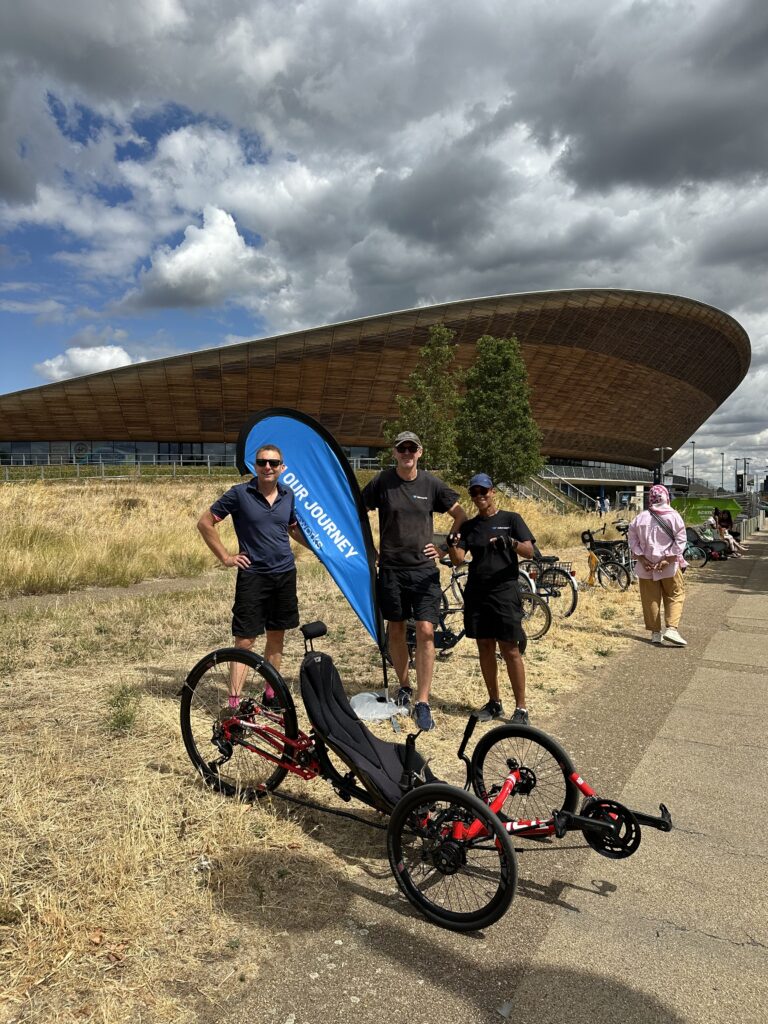
Following those first conversations, children and young people from Banya Fostering joined Bikeworks and Fatima’s UK Campaign at the Olympic BMX track at Lee Valley VeloPark.
In the summer of the Paris Olympics, the group enjoyed a coached BMX session and received BMX bikes built through Bikeworks’ Charity Bike Factory, which brings corporate teams together to build cycles for community partners. It was a memorable day for everyone and demonstrated something we all know: opportunities matter.
The following year, Fatima and Gina invited Bikeworks to attend the One Voice Summit at Guildhall. It was a powerful gathering of care-experienced people, organisations, professionals and policymakers, united by a shared commitment to improving the experiences of children and young people in care and bringing about lasting change.
We are incredibly proud that Bikeworks is joining FATIMA’S UK CAMPAIGN as an Action Hub partner.
Our relationship has already shown what meaningful collaboration can achieve. Bikeworks has supported our children and young people with 60 bikes and created opportunities at the velodrome to learn new skills, build confidence and experience the freedom, independence and sense of achievement that cycling can bring.
For young people with care experience, these opportunities are about so much more than a bike or a course. They are about belonging, being given a chance and having people and organisations around them who genuinely believe in their potential.
That is exactly what our Action Hubs are about: bringing good people and organisations together and turning goodwill into practical opportunities that can make a lasting difference.
Jim, Zoe and the Bikeworks team have already demonstrated that commitment through their actions. We are delighted to welcome Bikeworks to our growing Action Hub family and look forward to building on what we have achieved together and creating even more opportunities for our young people in the future.
— Fatima Whitbread MBE
Founder, FATIMA’S UK CAMPAIGN
Becoming an Action Hub partner is the next stage of that relationship. Bikeworks is now developing how our experience of inclusive cycling and cycle mechanics can contribute to the campaign, both through practical activity and by adding our voice to the wider conversations about what needs to change.


Why this matters
Strong relationships and opportunities that continue over time matter for every child and young person. Yet access to them is not equal.
More than 80,000 children were in care in England in 2025. The latest figures also show that 40% of care leavers aged 19 to 21 were not in education, employment or training.
These figures reinforce the importance of creating opportunities that children and young people can return to, relationships that have time to develop, and space to build on their interests and strengths.
This is what Fatima and Gina are building through the Action Hub network: bringing together people and organisations with a shared purpose and turning national attention into meaningful action within communities. The voices and experiences of children and young people in and leaving care will shape what that action becomes.
Twenty years of using cycles as a tool for good
Bikeworks was founded in 2006, inspired by the promise that the London 2012 Games would create lasting opportunities in East London.
Twenty years later, from our home at Queen Elizabeth Olympic Park, it feels particularly fitting to be building this partnership with Fatima Whitbread MBE. A world champion and two-time Olympic medallist, Fatima’s own story began in care in East London. Her life and sporting career embody extraordinary resilience.
Resilience has also shaped Bikeworks’ journey. Over the past 20 years, we have continued to develop and adapt while remaining committed to using cycles as a tool for good, widening access to physical activity, wellbeing and connectivity through cycling.
That experience has shown us the different but connected possibilities cycling and cycle mechanics can create. Learning to cycle or finding a cycle that works for you matters in its own right, opening up an enjoyable way to be active, spend time with others and take part regularly.
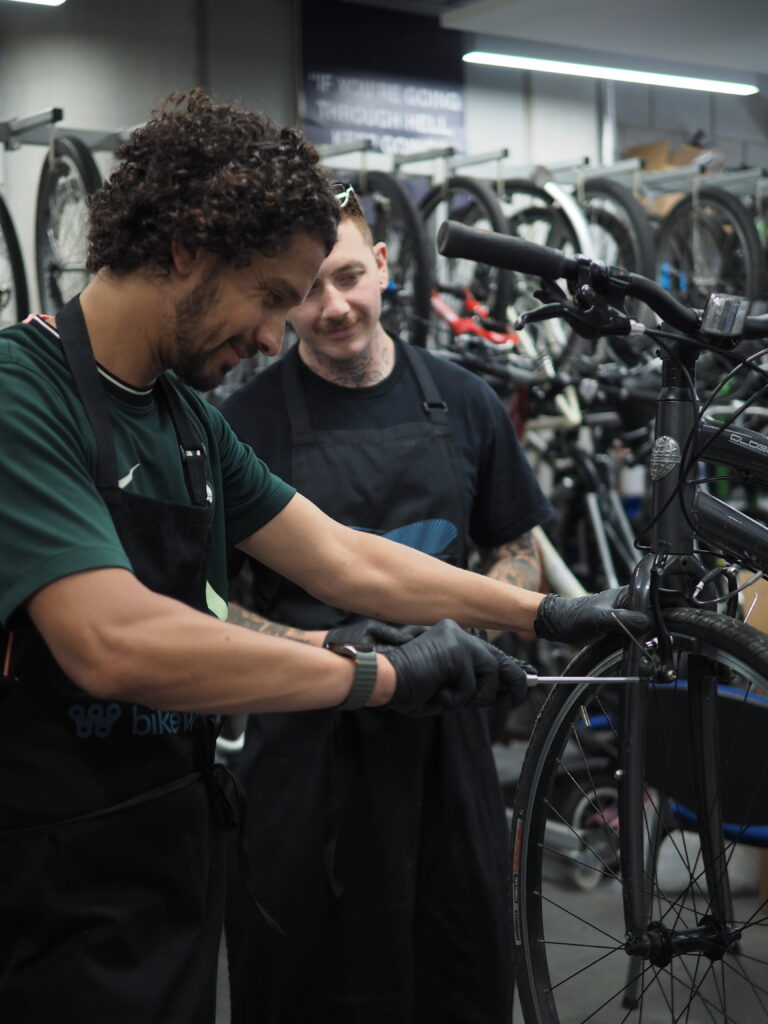
Cycle mechanics offers something different: practical learning that can lead to recognised qualifications, experience of the workplace and, for those interested, progression towards employment in the cycle industry.
Through the Action Hub partnership, we want to explore how cycling and cycle mechanics can build on the interests and strengths of children and young people in and leaving care, with their voices shaping what comes next.
What Bikeworks brings to the Action Hub
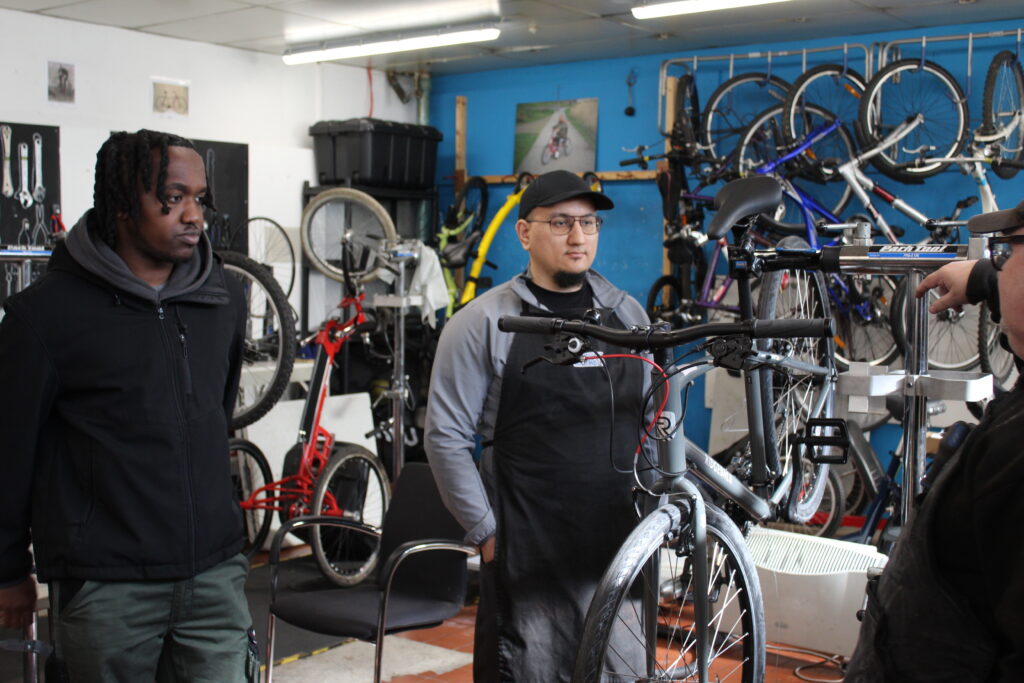
Bikeworks brings together the people, place and experience needed to turn a shared ambition into something practical. Our instructors, mechanics and tutors work across inclusive cycling, cycle mechanics and accredited learning, supported by specialist cycles and established training facilities at Queen Elizabeth Olympic Park.
Together, these create the potential for more than a one-off experience. Children and young people could return, develop their interests over time and connect cycling and wellbeing with practical learning, qualifications and future opportunities.
“Cycles connect people. Our relationship with Fatima and Gina began with a conversation and a ride together. It has grown because we share a commitment to turning ideas into action.
“As we celebrate our 20th anniversary, we want to bring Bikeworks’ experience of inclusive cycling and cycle mechanics to this incredible network of partners. We know cycling can widen access to physical activity and wellbeing, while cycle mechanics can offer practical learning and recognised qualifications. We will be developing this work with children and young people, building from their interests, strengths and ambitions.”

— Zoe and Jim Co-CEOs, Bikeworks
The next stage will be shaped with Fatima’s UK Campaign, the wider Action Hub network and children and young people in and leaving care. It is an opportunity to bring Bikeworks’ 20 years of experience into a partnership built on strong relationships, shared purpose and a commitment to creating something that lasts.
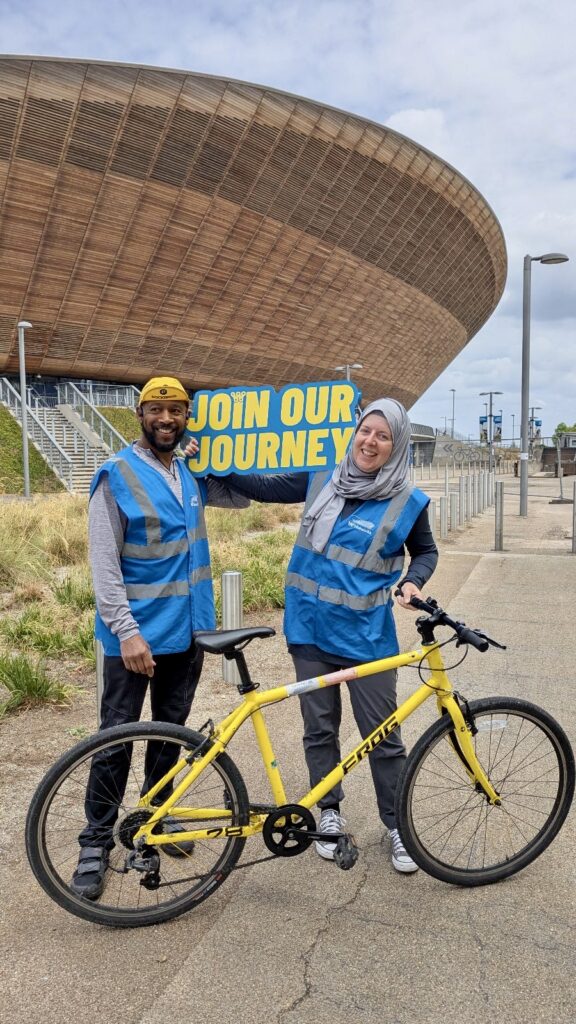
Want to join our journey?
Find out more about Fatima’s UK Campaign and the Action Hub network.
If your work involves children and young people in or leaving care, and you want to know more about how cycles can be used as a tool for good, get in touch with Bikeworks.