Good Teams Build Together. Great Teams Build Something That Matters.

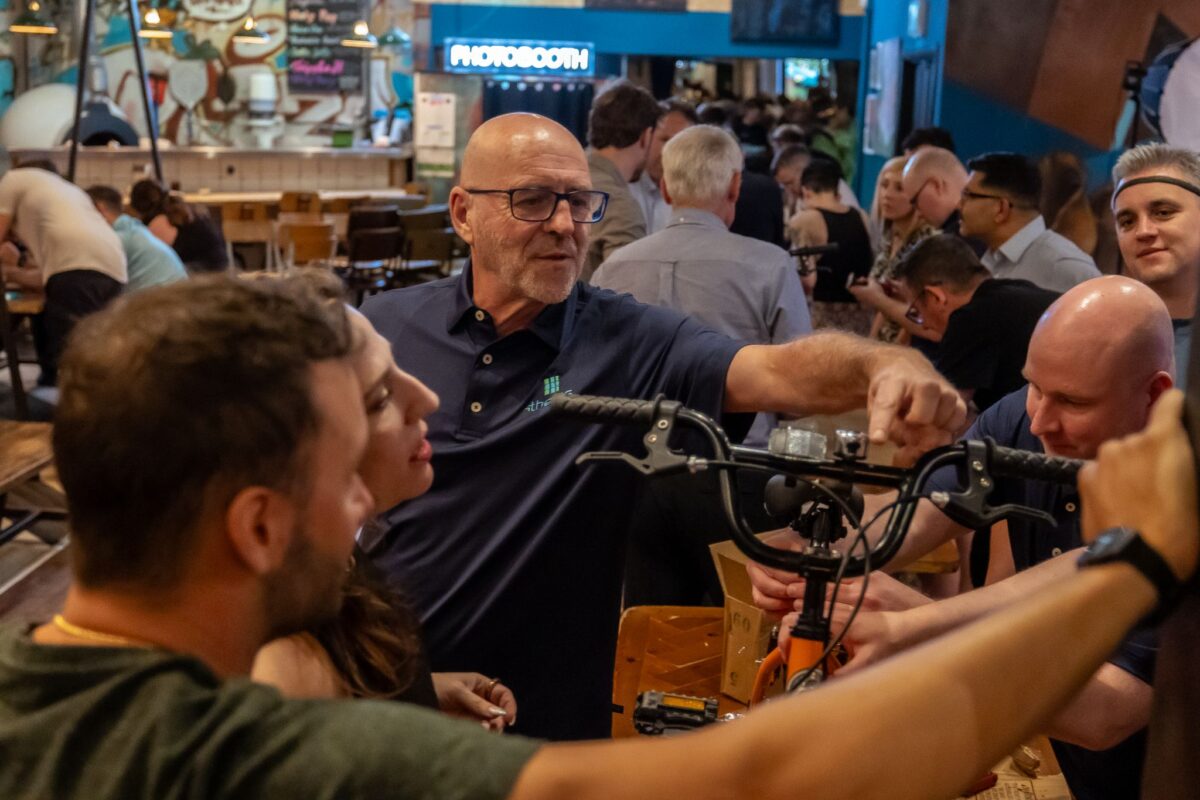
Build Bikes. Build Connections. Make a Difference.

Another team building day in the diary? How about one where your colleagues get stuck in, have a laugh, learn something new and build something that genuinely makes a difference?
Welcome to Bikeworks Charity Bike Factory, a hands-on corporate team building experience that swaps the usual workplace routine for bicycle challenges, friendly competition and the satisfaction of building something together. Whether you’re organising a company away day, corporate volunteering event or team celebration, we’ll help you create an experience your colleagues will enjoy and remember.
And here’s what makes it special. Every bike your team builds is gifted through our community partnerships, creating new opportunities for people to enjoy cycling. A great day for your team, with a lasting impact for someone else.
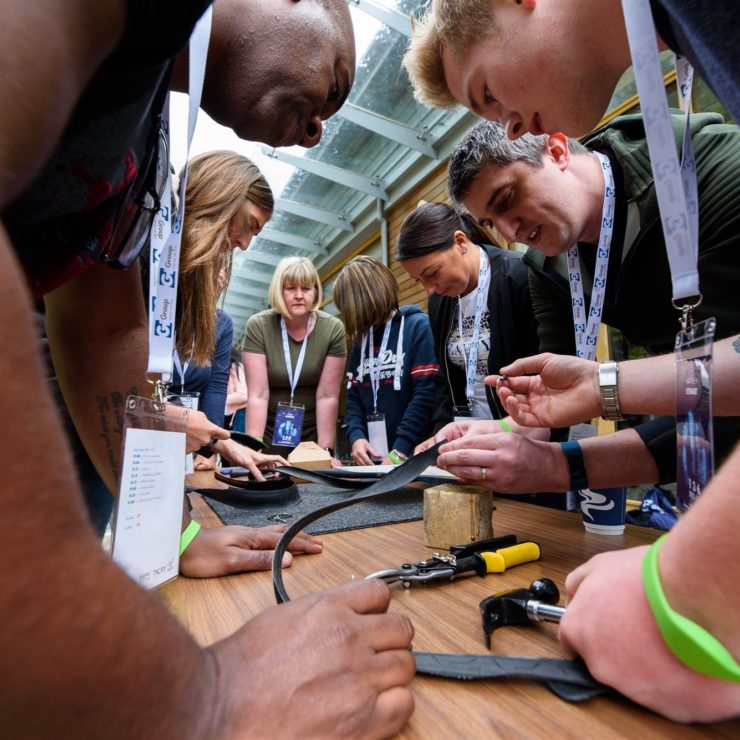
Less screen time. More team time.
Let’s face it. Not every team building activity gets people excited. The best experiences give colleagues a chance to do something different, discover new skills and enjoy working together outside their usual roles. At Charity Bike Factory, we get people talking, thinking creatively, solving problems and having fun, all while working towards a shared goal.
Our experienced facilitators bring plenty of personality to the day, with activities designed to encourage communication, collaboration, creativity and a little healthy competition. Depending on your event, these can include:
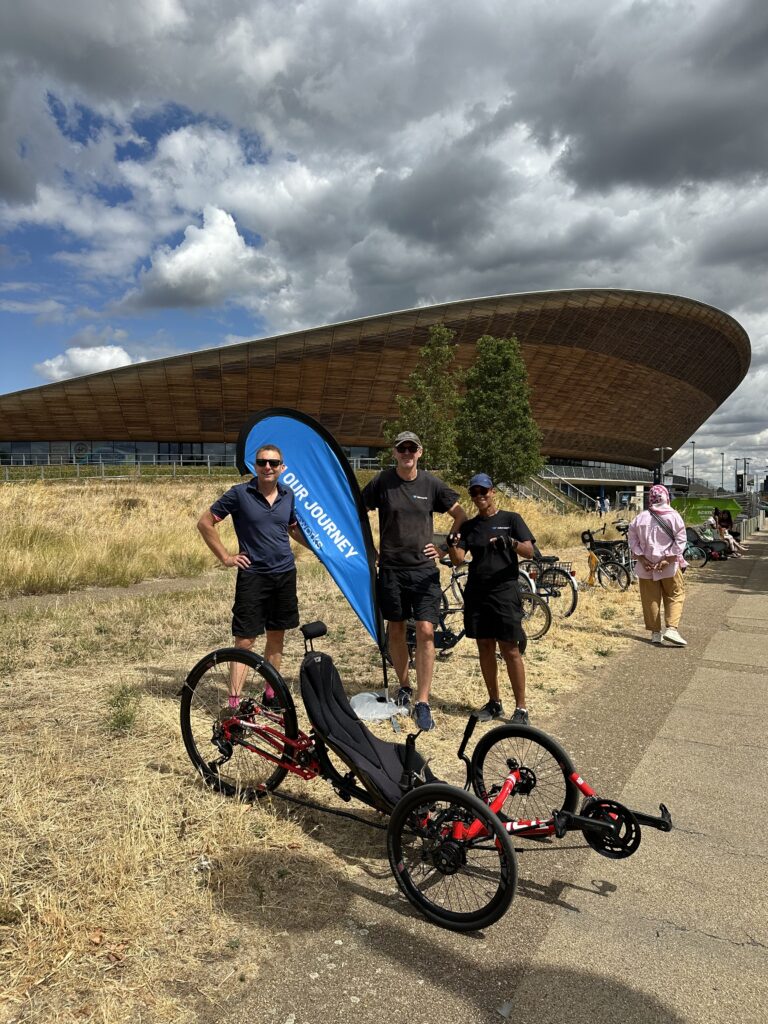
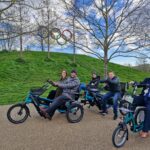
- All Ability Challenge: Navigate a course on an adapted cycle while blindfolded, putting communication and trust to the test.
- Re-use & Recycle: Get creative with recycled bicycle tyres, transforming everyday materials into something entirely new.
- Team Tyre Challenge: Discover which team can master a puncture repair against the clock.
- Slow Race: Find out who can go the slowest while keeping their balance. Easier said than done.
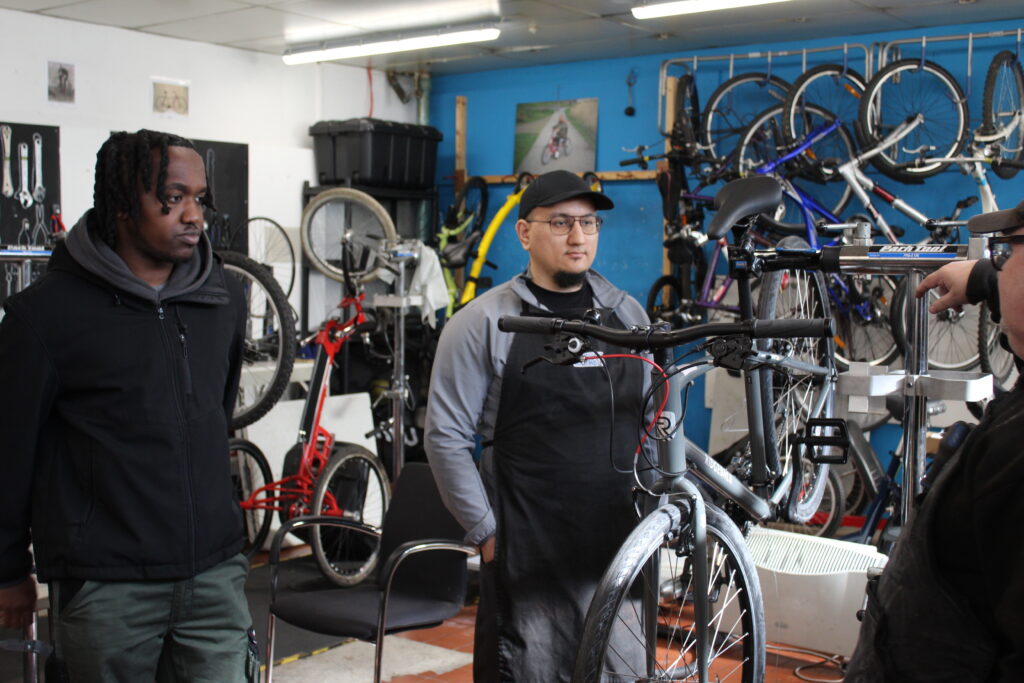
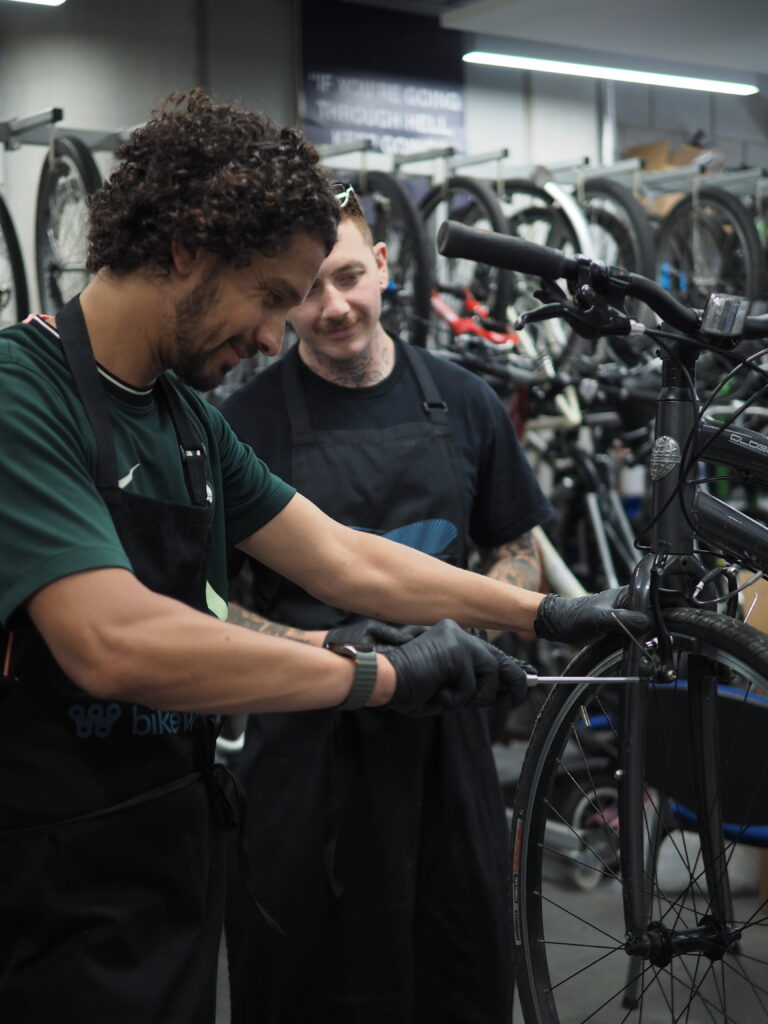
Then it’s time to roll up your sleeves and build the bikes. Working in small teams, colleagues take on different roles, share ideas and support each other as the bikes take shape, guided by our experienced Bikeworks mechanics. No previous bike-building experience is needed, and there’s something particularly satisfying about standing back at the end and seeing what you’ve achieved together.
One participant described their experience:
“It was a brilliant bike-building activity that really got everyone working together as a team. We had such a good laugh from start to finish! It was hands-on, interactive, and kept everyone busy in the best possible way.”
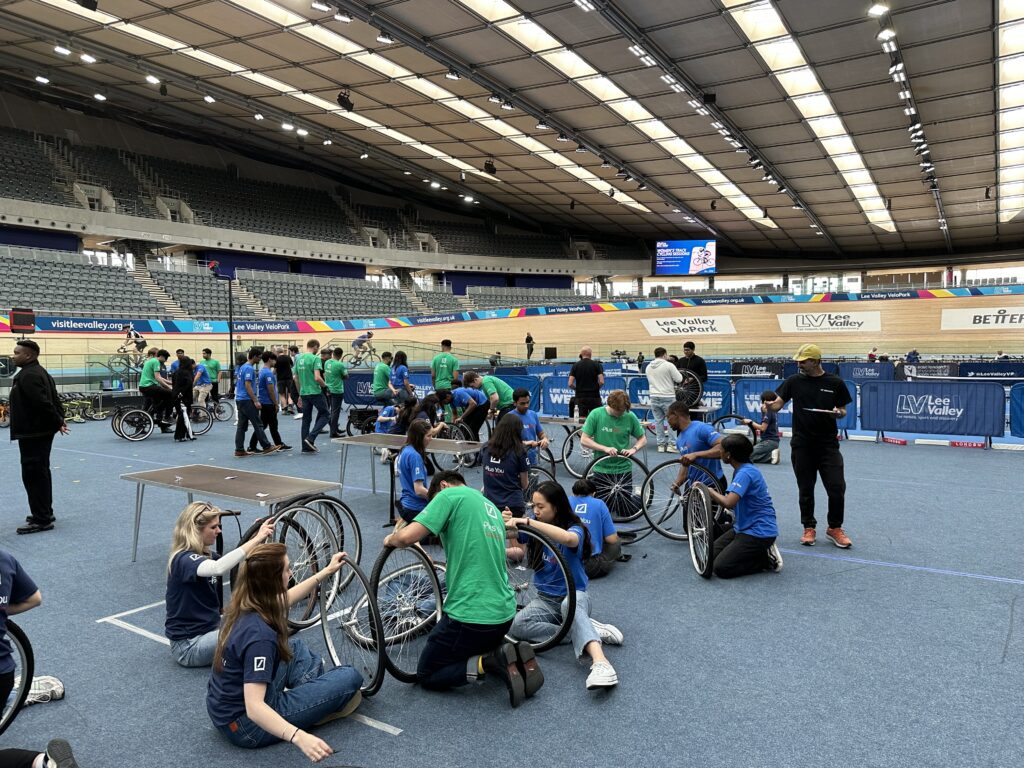
From Small Teams to Large Corporate Events – We’ve Got the Experience
Whether you’re bringing together colleagues from different departments, welcoming a new group of interns or organising a company-wide volunteering day, Bikeworks has experience delivering events that get everyone involved.
Back in 2024, we partnered with eight corporate clients across 13 events, engaging around 1,100 participants who collectively built 206 BMX bikes. One of those experiences saw 130 Deutsche Bank interns come together at Lee Valley VeloPark, building 18 BMX bikes as part of their corporate volunteering day.
But delivering a successful event isn’t simply about numbers. It’s about creating an enjoyable experience where every participant has an opportunity to contribute, work alongside colleagues and feel proud of what they’ve achieved together.
And it’s this combination of teamwork, enjoyment and professional delivery that our corporate clients value. As the team at Google shared following their event at the London Velodrome:
“The bike-building activity was fun and engaging, and the London Velodrome was an amazing location. Your team was incredibly organized and welcoming, and we all felt valued and appreciated.”
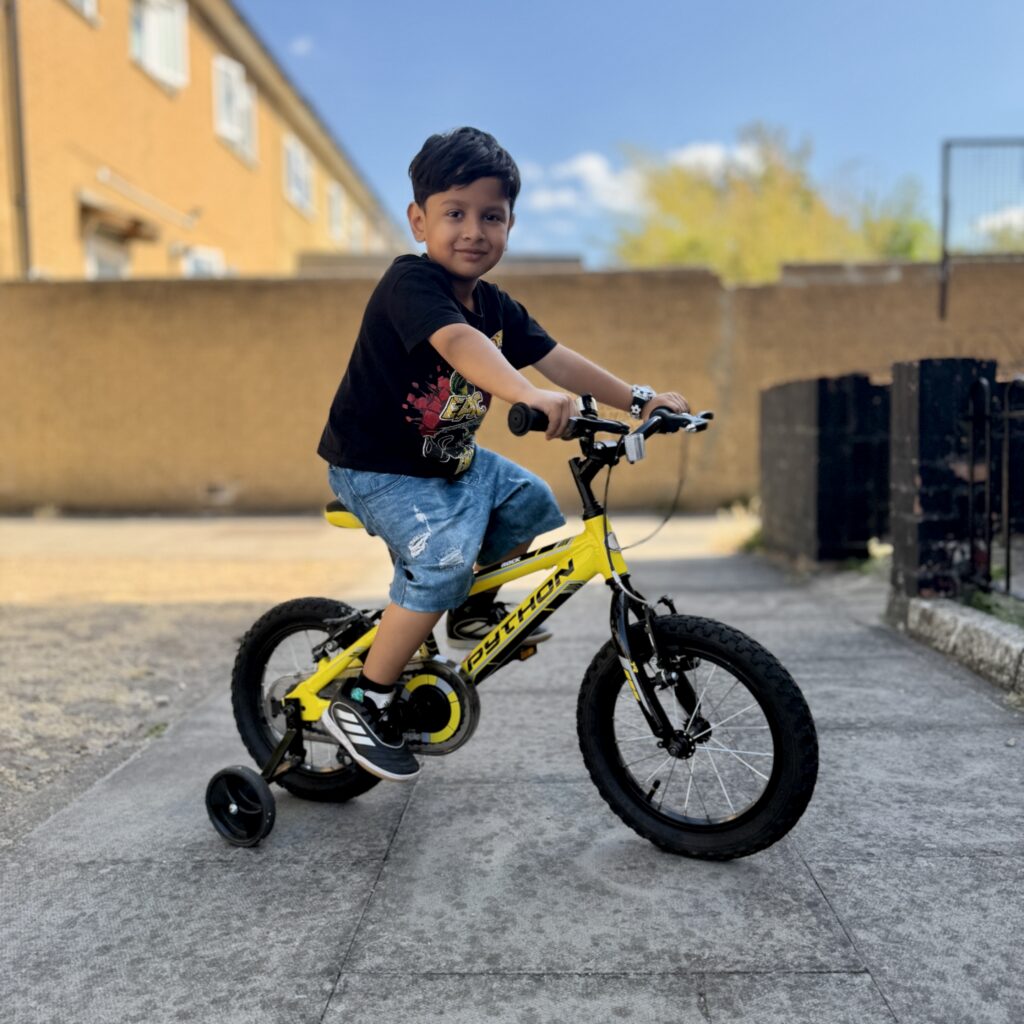
Your team builds the bikes. The impact goes much further.
What makes Bikeworks Charity Bike Factory different is what happens after the event. The bikes aren’t dismantled when the day finishes. Instead, they’re gifted through our partnerships with charities and community organisations, helping children, young people, families and adults access the freedom, independence and enjoyment that cycling brings.
Take four-year-old Yusuf, who received his first-ever bike through our partnership with Mile End Community Project, following a Charity Bike Factory event with PIMCO.
His parent shared:
“This is his first ever bike, I can’t believe it is brand new, he loves his bike, he rides it every day and I can see how confident he has become since riding the bike.”
For Yusuf, having his own bike means being able to ride whenever he wants, practise his skills and enjoy the confidence that comes with learning something new. His parent’s words also reveal something important: without the bike being gifted, owning a brand-new cycle would have been financially out of reach for the family.
For the PIMCO colleagues who built the bike, their team building experience helped create that opportunity. What started as a few hours working together became something Yusuf could enjoy every day.
And Yusuf is just one example. Through partnerships with organisations including NOVA, Moving Moi CIC, Thames Reach and Children with Voices, bikes built during our corporate events are reaching people across London, supporting everything from children’s first cycling experiences to greater independence and opportunities for families to cycle together.
As another corporate partner told us:
“Building the bikes ourselves made it feel real and meaningful — we weren’t just hearing about the charity, we were actively contributing to something that would make a genuine difference.”
That’s the difference between simply hearing about social impact and being part of creating it.
Big team. Small team. Your place or ours.
Every organisation is different, which is why we offer flexible corporate team building experiences in London and across the UK. From bringing together a small department to organising a large company-wide event, we can help you find a format that works for your people, location and objectives.
Charity Bike Factory
Our flagship Charity Bike Factory experience brings colleagues together to tackle practical challenges and work towards a shared goal: building a bike that will be gifted to someone who can benefit from it.
Designed for groups of 8 to 400 participants, colleagues work in teams of three to seven, supported by experienced Bikeworks facilitators and mechanics. Depending on the event, participants can build children’s bikes, BMX bikes, adult cycles or specialist cycles, with bike-building experiences typically lasting between two and two-and-a-half hours.
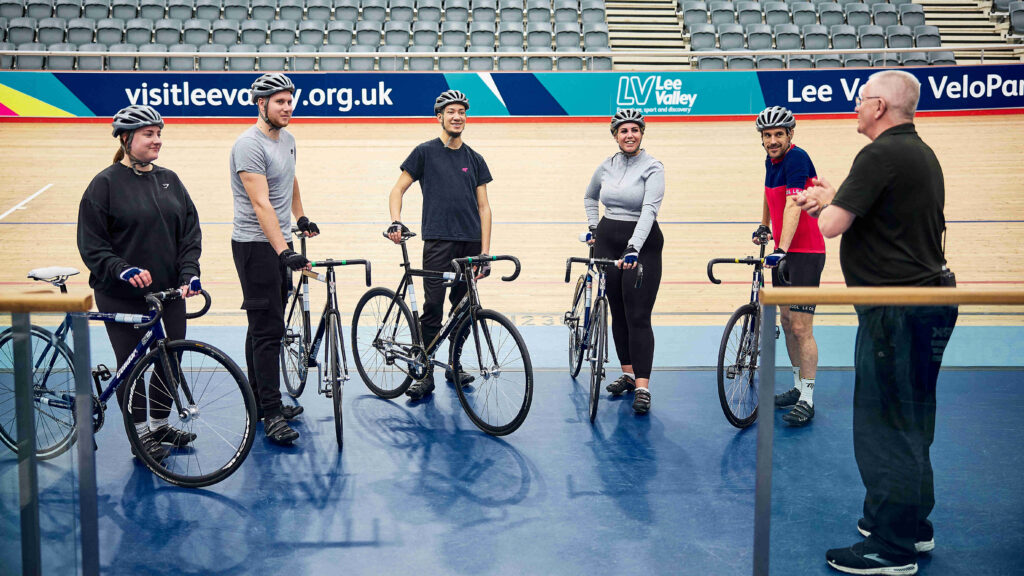
Build Bikes. Ride the Track.
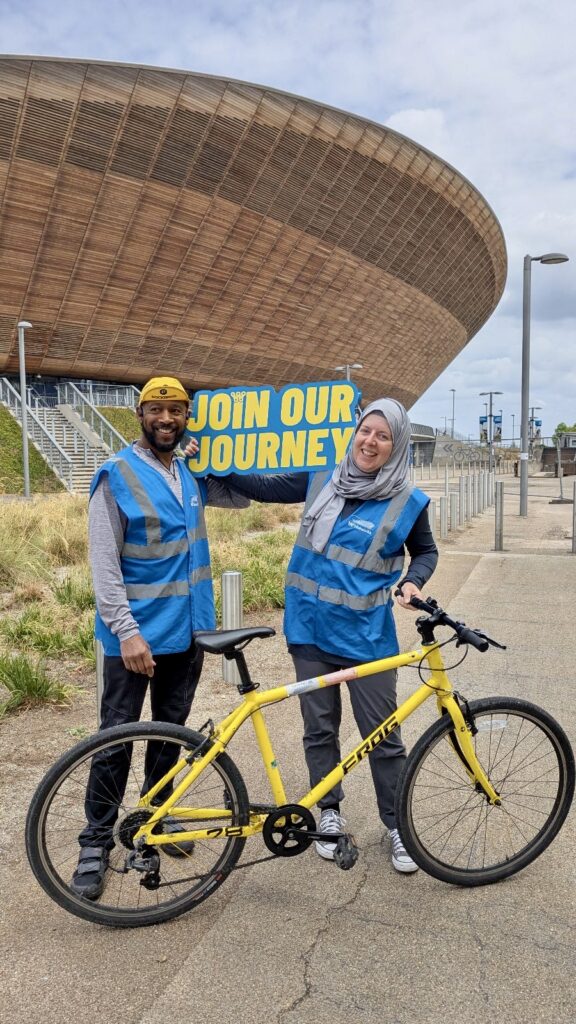
Looking for something extra special? Bring your team to Lee Valley VeloPark in Queen Elizabeth Olympic Park, London E20, and combine Charity Bike Factory with an unforgettable cycling experience at the Olympic Velodrome.
Our Build Bikes. Ride the Track. experience brings together hands-on bike building with a one-hour coached session on the Olympic track. It’s a chance for colleagues to experience an iconic sporting venue, try something different and enjoy the thrill of cycling where Olympic champions have competed.
The coached track session accommodates up to 16 participants. Speak to our team about the arrangements and group sizes for your event.
Bring Charity Bike Factory to your workplace
Prefer to keep everyone together at your office or event venue? We’ll bring the Charity Bike Factory experience to you, providing the bikes, tools, equipment and expertise needed to create an enjoyable, professionally facilitated team building activity.
It’s a practical option for businesses incorporating team building into a conference, away day or corporate volunteering programme, without the additional organisation of transporting everyone to another location.
One partner was particularly impressed by our flexibility:
“I was surprised how adaptable you guys were in all steps of the way, from just arriving in central London with 3 bikes to a meeting room! and just cracking on with a larger than life group of us.”
Our team takes care of the arrangements and guides participants through the experience, helping event organisers deliver something memorable while allowing colleagues to concentrate on getting involved and enjoying themselves.
Good for your people. Good for the communities around you.
There’s another reason businesses choose Bikeworks. We’re a London social enterprise celebrating 20 Years Delivering Impact in 2026, and since 2006 we’ve been using cycling to widen access to physical activity, wellbeing and connectivity.
As a social enterprise, we reinvest 100% of our profits into our mission, supporting community cycling programmes that help more people access cycling for physical activity, travel, wellbeing and social connection. Our corporate team building services are an important part of that model.
For companies looking to turn corporate social responsibility, employee engagement and social value commitments into action, choosing Bikeworks demonstrates how everyday purchasing decisions can generate wider social benefit. Rather than treating team development and community impact as two separate investments, a Charity Bike Factory event brings them together.
You get a professionally delivered experience that brings colleagues together, strengthens working relationships and creates an opportunity to learn new skills. Your team builds bikes that will go on to benefit others, while the income generated supports a social enterprise with two decades of experience delivering cycling programmes in communities.
It’s a way to make your corporate spending work harder, without compromising on the quality or enjoyment of the experience.
Your next team building day starts here.
Planning a Christmas team celebration, company away day, corporate volunteering programme or your 2027 team calendar? Whether you’re bringing together eight colleagues or planning an event for hundreds, Bikeworks can help you create a team building experience that people enjoy, remember and feel proud to have been part of.
With flexible delivery options, experienced facilitators and a range of practical cycling challenges, we’ll help you find the right experience for your organisation. And when your colleagues head home, the bikes they’ve built will be ready to begin their next journey.
Make your next team building day one that really makes a difference.
Explore Bikeworks Team Building and enquire about your next event
Or speak directly to our team at team.building@bikeworks.org.uk or 020 8070 0585.