A new Veloplus for Little Wormwood Scrubs All Ability Club

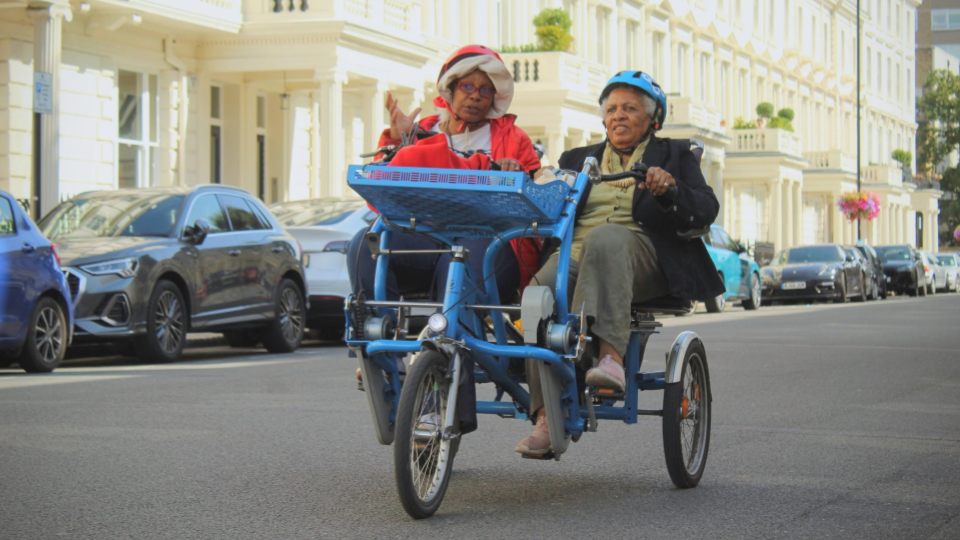
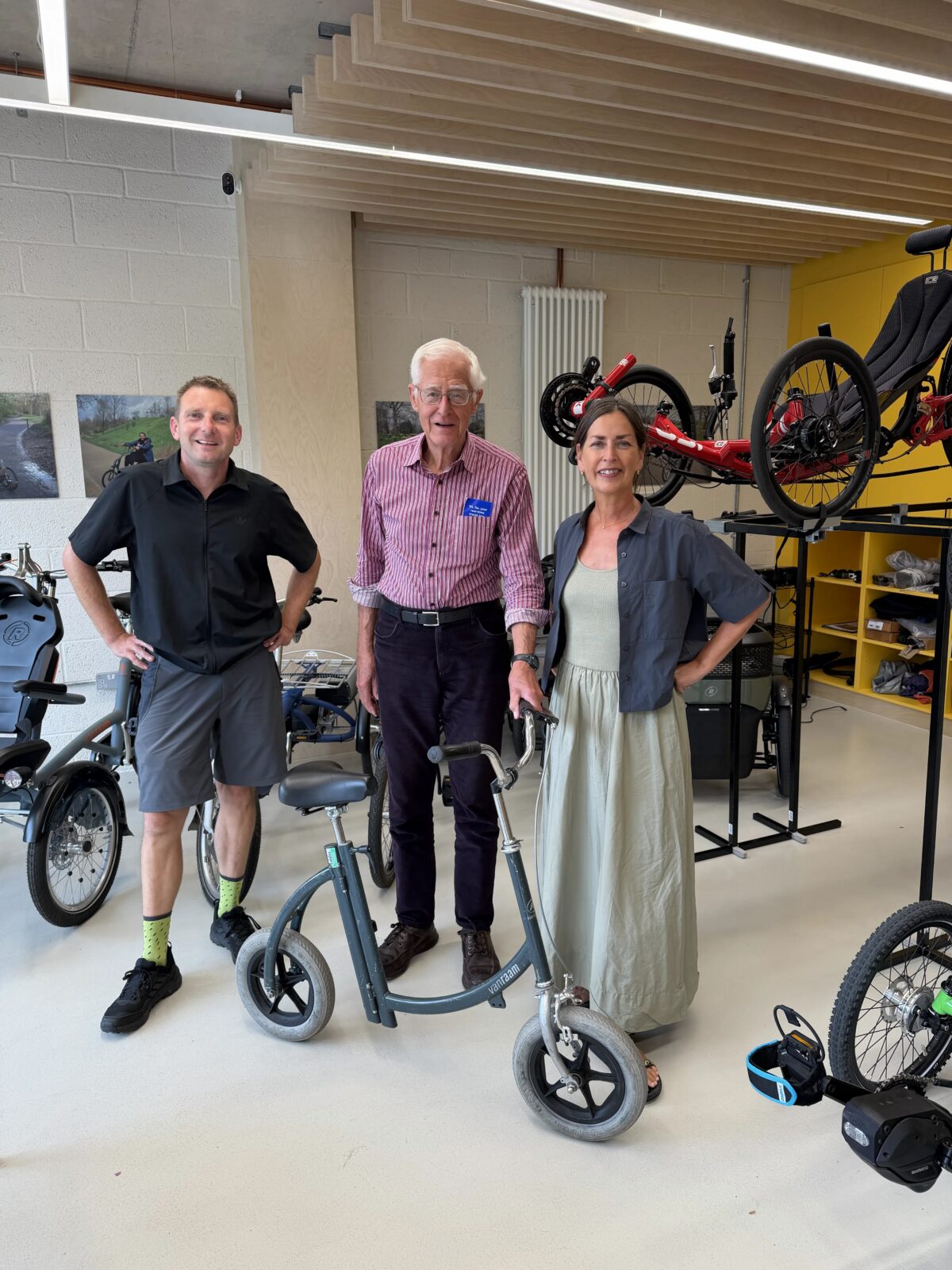
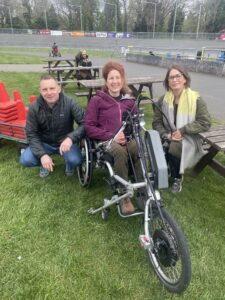
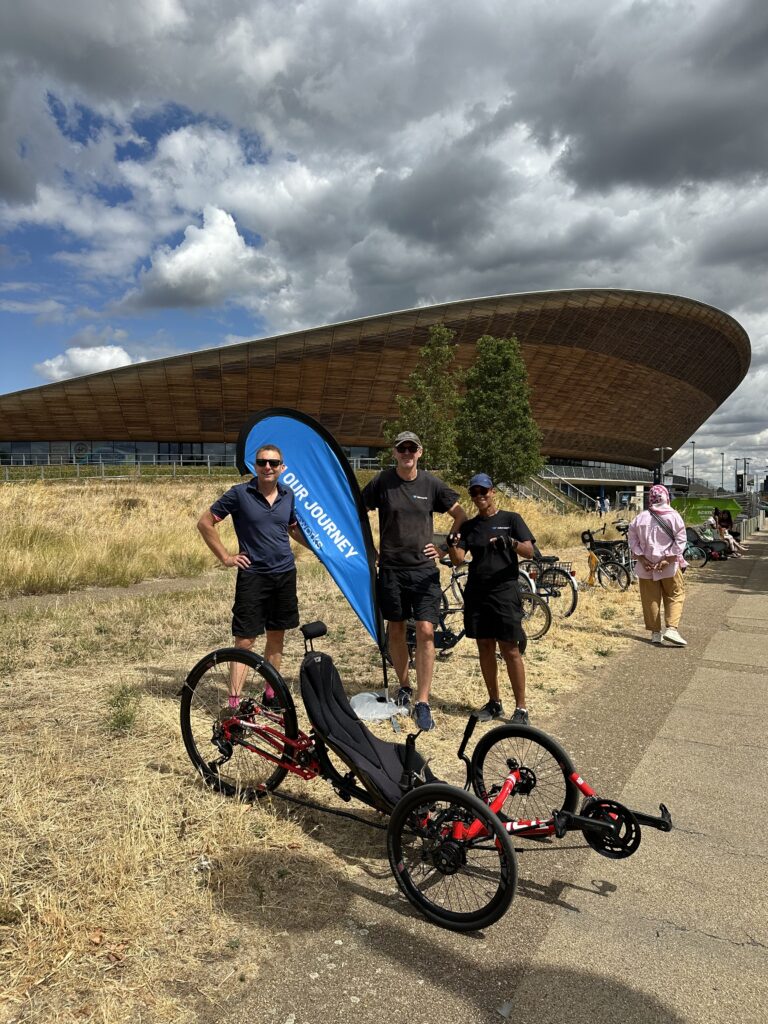
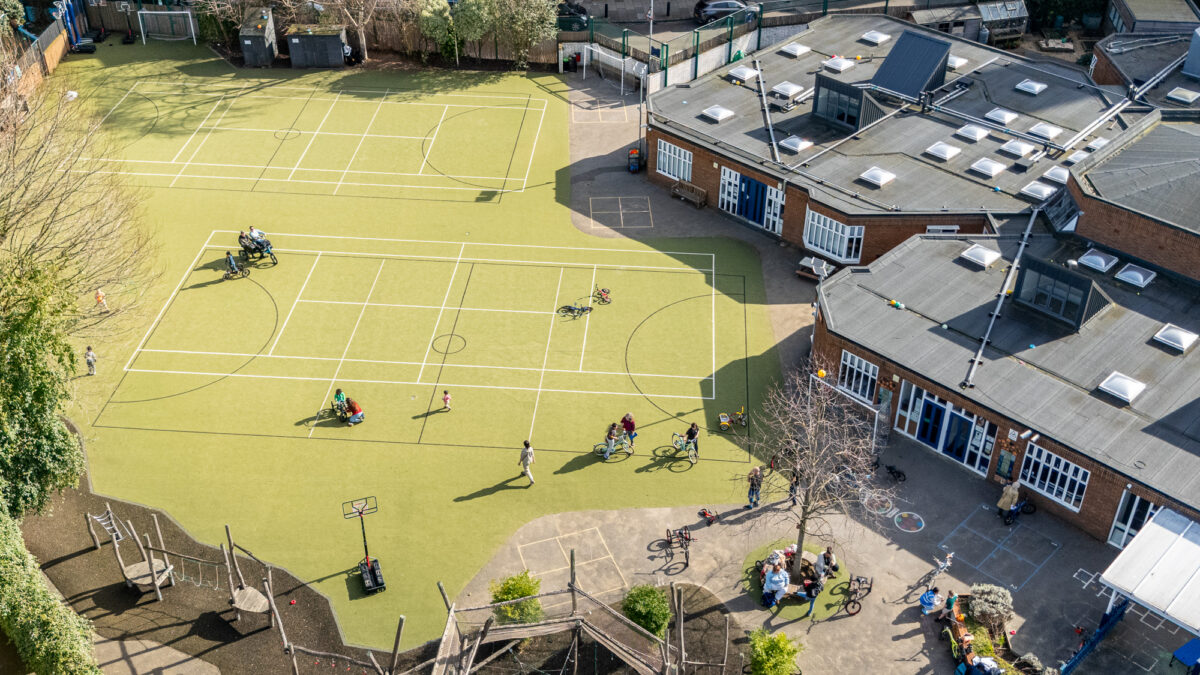
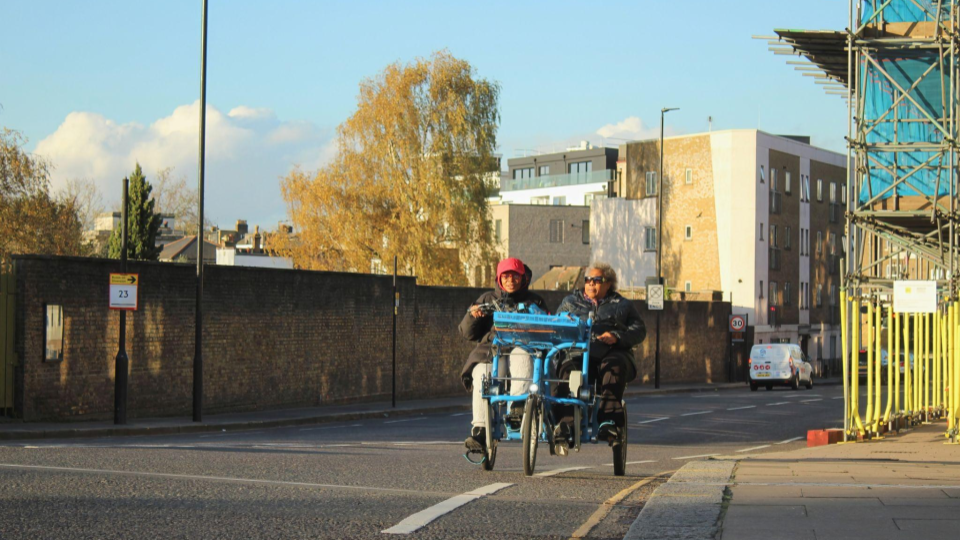
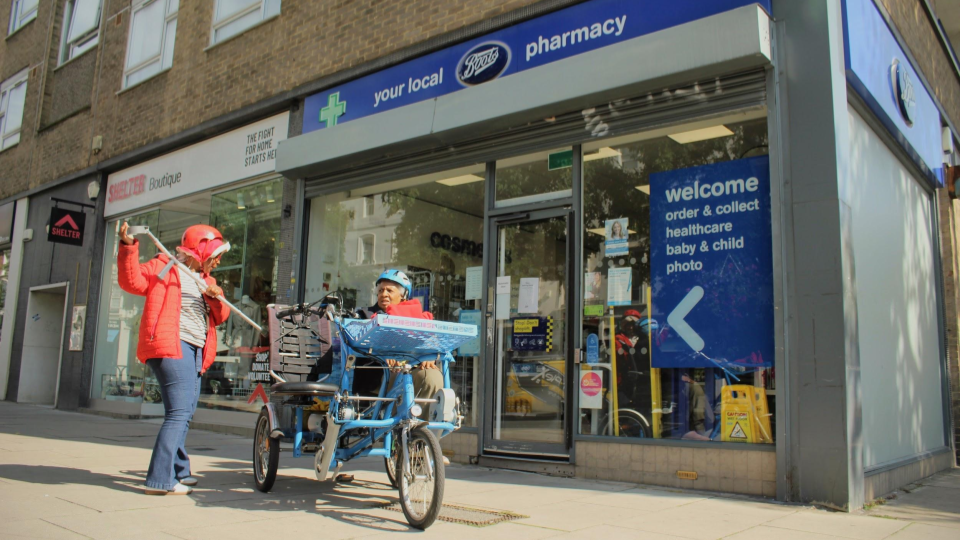
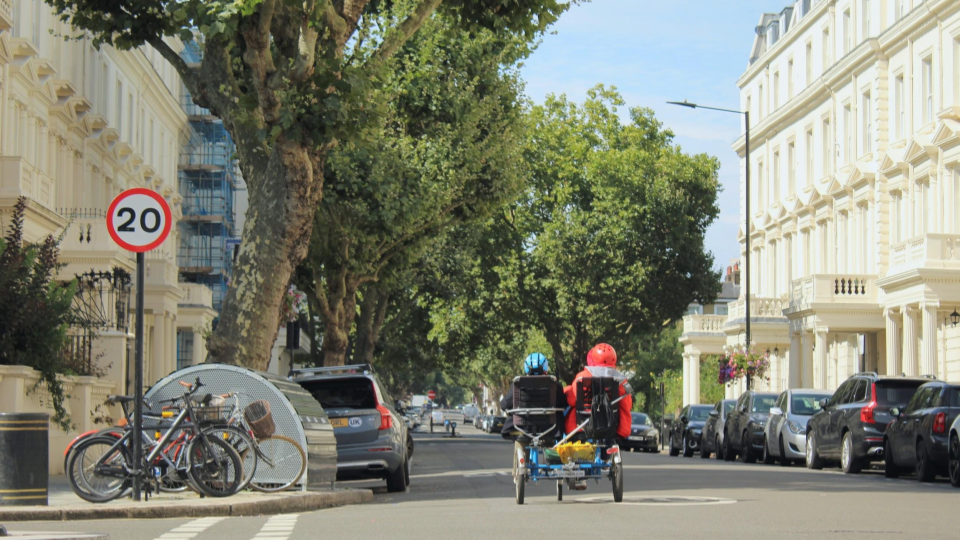
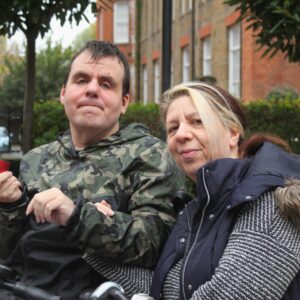
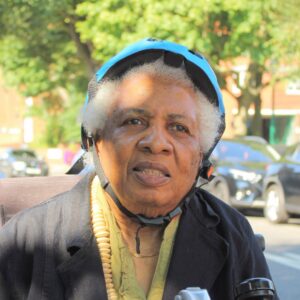
Theo joined the Little Wormwood Scrubs All Ability Club with Full of Life, a local community centre, for his first ride on the new Veloplus.

Theo Veloplus Bikeworks

The Veloplus

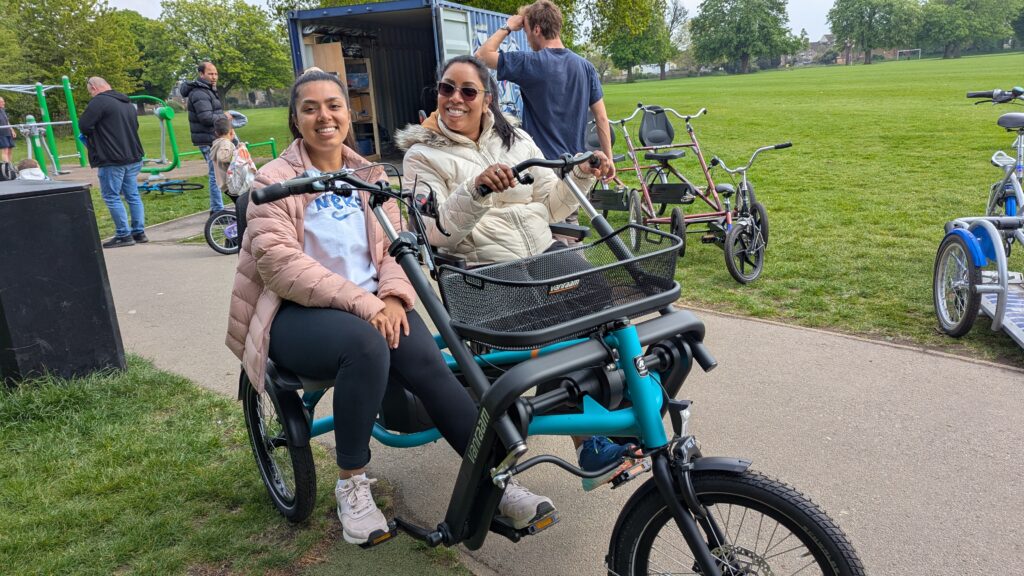
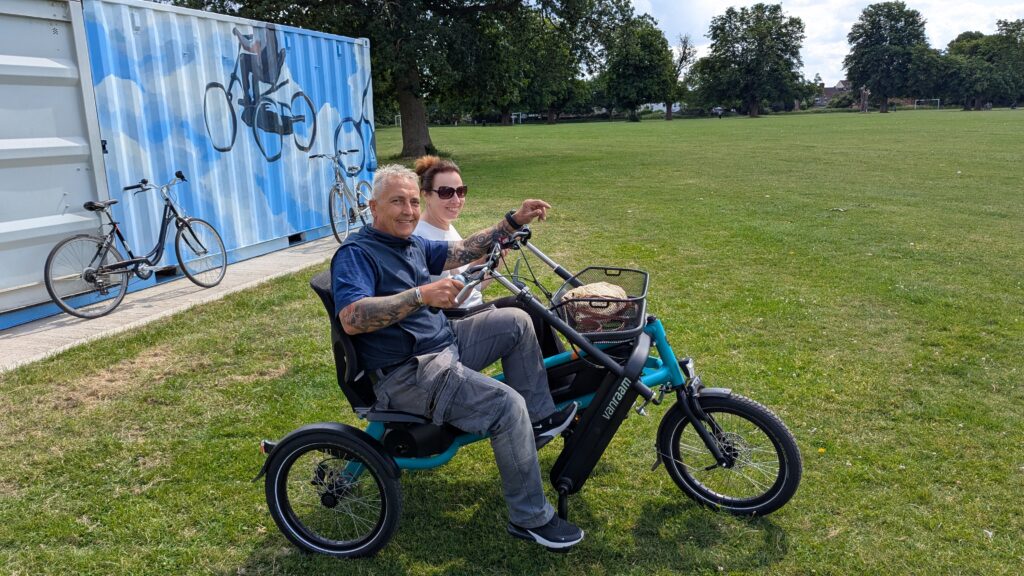
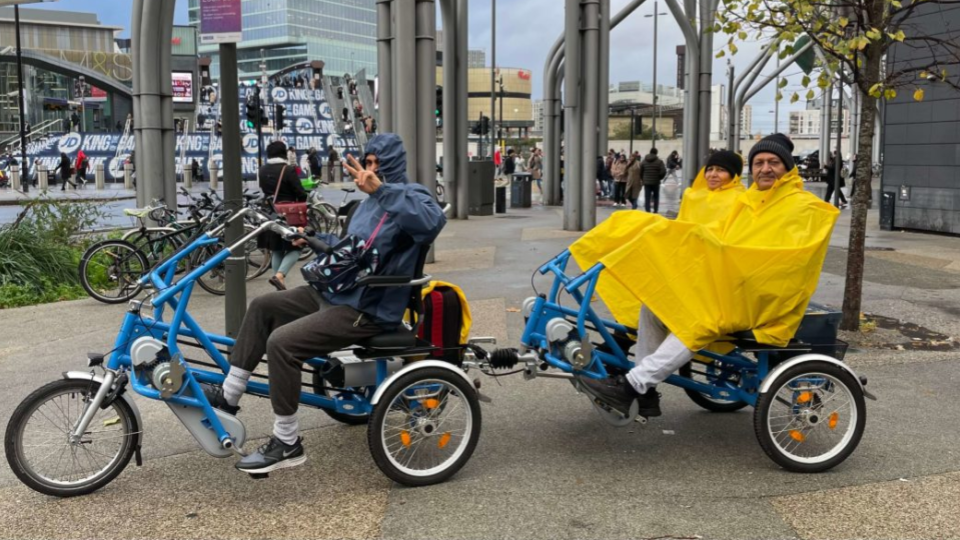
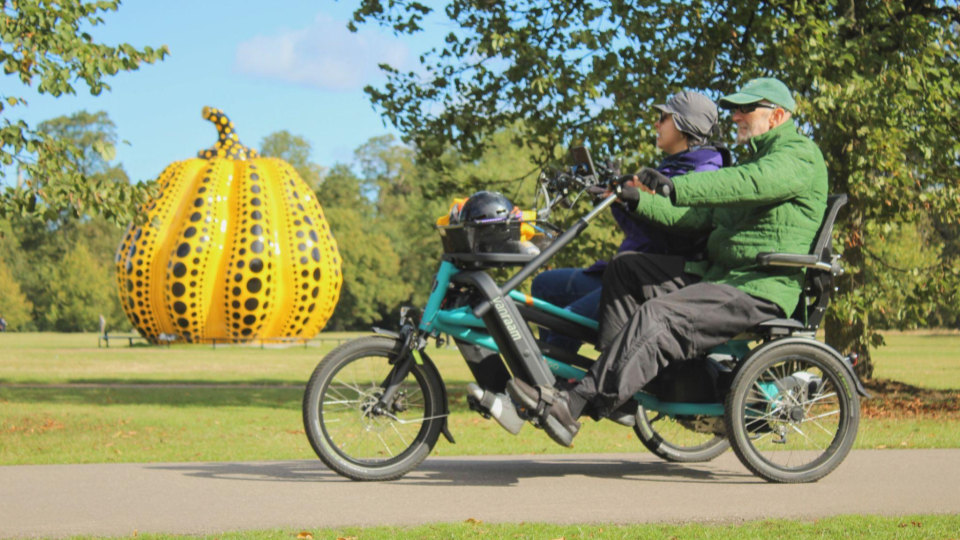
The Veloplus is a specialist platform cycle for wheelchair users. It allows people to ride without transferring out of their chair, making it one of the most important cycles in an inclusive fleet. Across Bikeworks All Ability Clubs, Veloplus cycles are among the most popular because they open up riding to people who may not be able to use a standard or adapted cycle.

At Little Wormwood Scrubs, the new Veloplus now becomes part of regular weekly provision.

“Our All Ability Clubs respond to the people who attend each week. The team know which specialist cycles are most needed locally and what equipment will widen access. Having a Veloplus permanently based at Little Wormwood Scrubs means more people can now ride as part of the weekly club.”

Jamie Lawson, Inclusive Cycling Advisor at Bikeworks

Full of Life

Full of Life has been part of the Little Wormwood Scrubs All Ability community, bringing local residents to ride, spend time outdoors and participate in a regular club offer. The new Veloplus strengthens what the club can provide for wheelchair users, families and local groups who come to the sessions.

The cycle has been made possible through local partnership between the Royal Borough of Kensington and Chelsea, London Cycling Campaign and Lime’s Share The Joy Fund, with continued support from local stakeholders.

Little Wormwood Scrubs All Ability Club

Little Wormwood Scrubs All Ability Club is a regular community space where disabled people, families and local groups can access inclusive cycling using specialist cycles, adapted cycles and support from Bikeworks instructors.

This is what place-based inclusive cycling looks like in practice: local partners, a regular club, the right specialist cycle, and a community asset which can be used week after week.

For Theo, it started with a first ride on the Veloplus.

For the club, it means more people can now ride using the right specialist cycle at Little Wormwood Scrubs.

My Ruby Bike: Stella’s Story – IDDP 2025

Stella’s journey with My Ruby Bike shows what disability inclusion looks like in real life: practical support, the right adaptations and the confidence that grows when people are given the conditions they need to thrive.


International Day of Disabled People 2025 – Bikeworks

Every International Day of Disabled People invites us to reflect on what an inclusive society should look like. For Bikeworks, inclusion isn’t an abstract theme or a set of aspirations. It is lived, practical, everyday work.

Stella’s journey with My Ruby Bike shows exactly what inclusion means — not in theory, but in motion. Her story is one of confidence, mobility, joy, and identity, and it reflects something bigger: how the right adaptations, the right support, and the right environment can transform what people believe is possible for themselves.


How it began

In 2022, a chance encounter with Claire from For Brian opened a door for Stella. Claire introduced her to Bikeworks, and she came to her first All Ability Club session at Little Wormwood Scrubs not quite knowing what to expect.

That first session gave her something simple but important: a safe place to try cycling in a way that worked for her. Starting on a trike offered stability, space and time so she could feel comfortable and begin exploring what cycling could mean in her life.

It was also where she met one of our instructors who would later become her Buddy for RideLondon. Stella often describes the people around her, family, friends, mechanics and instructors, as “cogs in the wheel of my life,” each playing a part in helping her move forward.

At Bikeworks, we see this echoed every day. Inclusion is not created by one person or one moment. It happens when the right environment, equipment and support come together so someone can take the next step with confidence.

Falling in love with cycling

From that early trike session, Stella’s confidence began to build. During the school holidays she travelled to the Bush Hill Park All Ability Club to keep practising and to spend more time on a cycle that felt safe and familiar.

As her interest grew, she wanted to understand not only how to ride but how to look after a bike properly. She attended a beginners’ maintenance course at the Velodrome with her son Eric, learning how to check her wheels, make simple adjustments and understand her cycle more fully. For Stella, these sessions were about gaining confidence and knowing she could look after her bike.

She continued building her road awareness skills with her Bikeworks instructor, gaining confidence in positioning, communication and navigating different environments.

Then came the moment everything changed.

At Family Bike Club, where she rented a cycle to prepare for RideLondon, Stella found the bike that felt like hers. It was a deep purple model with a bell placed on the right so she could use it comfortably with her non paralysed hand. She immediately called it My Ruby Bike. As she says:

“When I saw my Ruby Bike, it was love at first sight.”

This was not just an emotional reaction. It was recognition. The bike matched her mobility, her strength and her personality. Small details, such as the position of the bell and the stability of the frame, showed her that this cycle was truly suited to her.

In Stella’s words, “My Ruby Bike” is a catalyst that encourages her to keep going and try new things.


Taking on RideLondon –  twice

RideLondon is one of the largest closed road cycling events in the country. Tens of thousands of riders take part, from complete beginners to experienced club cyclists, covering distances that can reach one hundred miles. It is not a simple weekend ride.

Stella has now completed RideLondon twice. Before her journey with Bikeworks she would never have imagined taking part, let alone completing the route.

The 2024 ride stands out. The challenge for Stella was not just the distance, it was the logistics of getting Ruby to the start line. For many disabled riders, getting to the start line can be more challenging than the ride itself. Stella asked her son Eric to take her bike in for her. Waking at dawn, and with a bit of encouragement, he made sure Ruby was there so Stella could focus on preparing for what she describes as the biggest cycling day of her life.

Large group events can be difficult for cyclists who need more space and predictability on the road. Throughout the event, a Bikeworks instructor stayed alongside Stella, creating room when groups swept past, guiding her hand to change gears, adjusting the bell, checking her chain and helping her manage the intensity of the day.

In Stella’s words, “Without a Buddy like that, it would not have been possible.”

This is what inclusive cycling looks like in practice. It is not about placing the burden on the individual in settings that do not meet their needs. It is about removing the barriers so people can take part safely and with confidence.

Cycling every day 

Today, Stella cycles to work most days, travelling through Enfield parks, along cycle lanes and beside the canals. What began as a way to practise has become part of her everyday life.

She rides to the gym.
She rides for pleasure.
She rides with women from the Breeze network.
She travels by train to visit friends and cycles home along the canal.

Stella jokes that it must be love, because she carries Ruby up three flights of stairs to her flat.

There was a time when she cycled a Fun2Go tandem to work. The cycle became a familiar sight on local streets, with people calling out encouragement and waving as she passed. The visibility mattered. As Stella says:

“The Fun2Go warmed people to me before I even said a word.”

This is what inclusion looks like in practice: people being welcomed in everyday spaces without explanation or justification.

Using cycling to make change

Stella’s cycling has grown beyond transport. She took part in the Ride for Palestine, joining others to raise money for Gaza Sunbirds, a para cycling organisation that supports disabled athletes and provides humanitarian assistance.

What stood out to her was the mix of people taking part. Cyclists of different levels supported one another throughout the ride, creating a sense of community and shared purpose. For Stella, it was a meaningful experience that expanded her sense of what cycling groups can do when people come together.


Why Stella’s story matters – to her, to Bikeworks, and to the wider system

Stella’s story is personal, but it also shows the wider realities of inclusion in practice.

Inclusive cycling is not simply about equipment. It is about dignity, choice and the confidence that comes from having the right set up and the right support.

Adaptations remove barriers, not ambition. Something as small as a bell placed on the right side can be the difference between anxiety and freedom.

Support from instructors matters, not through heroics, but through steady guidance, clarity and trust built over time.

The impact goes far beyond cycling. Stella now travels by train with confidence, without worrying about how others might view her disabilities. She feels more able in her work, her social life and her community.

Before Ruby, Stella describes herself as a worrier. Now, she describes herself as a warrior.

Her experience shows what inclusive cycling really looks like. It is a bell on the right side of the handlebars, a Buddy riding at your shoulder in a crowded event, a bike you are willing to carry up three flights of stairs, a community that waves as you pass on a Fun2Go.

For Bikeworks, Stella’s journey is a reminder of why we keep investing in neighbourhood hubs, adaptive fleets and local partnerships, and why creating these conditions matters if we are serious about inclusion.

Our message for IDDP 2025

The official theme focuses on “disability-inclusive societies.”
Stella’s story shows what that really looks like in practice.

It is practical.
It is relational.
It is planned and intentional.
It is built through the everyday removal of barriers.

Inclusion is not a day on the calendar or a line in a strategy.
It is action — repeated, consistent and accountable.

Stories like Stella’s do not happen by accident, and they do not happen everywhere. They happen when investment is made, when adaptive fleets are funded, when neighbourhood hubs exist, and when the workforce is supported to deliver inclusive cycling consistently and safely.

These conditions are essential, not optional, if we are serious about disability-inclusive societies.
Right now, they are fragile. They rely on short-term funding cycles, one-year grants and the goodwill of organisations asked to do more with less.

If we want what Stella has experienced to be possible for many more people, investment must match the ambition.
Investment in local hubs.
Investment in adaptive fleets.
Investment in the instructors and community partners who make inclusion possible.
Investment that recognises this as a right, not a bonus.

Because when these conditions are in place, inclusion stops being an aspiration and becomes an everyday reality.


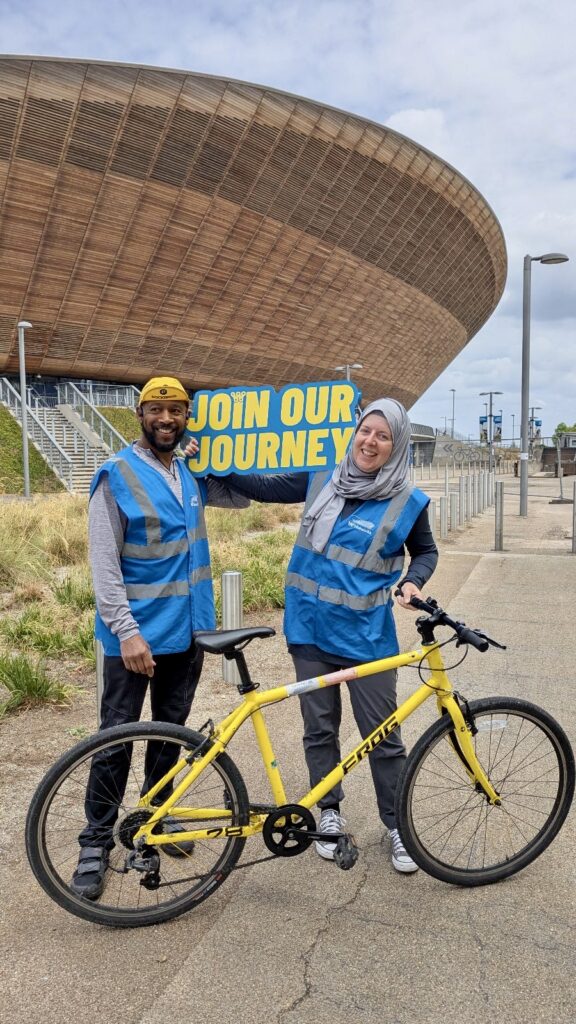
Join Our Journey

We celebrate Stella’s courage, determination and joy.
We celebrate the relationships, adaptations and support that made her cycling possible.

And we are committed to creating a world where what Stella has found with Ruby is available to anyone who needs it.

Join Our Journey.
This is inclusive cycling, and this is why it matters.

When Being Recognised Raises Questions That Matter

Counting Women: What This Moment Reveals

Zoe Portlock, Co-Founder and Co-CEO, Bikeworks

Looking Back as We Approach Twenty Years

As Bikeworks approaches its twentieth year, Jim and I have been reflecting on the values that have shaped us since the beginning: inclusion, accessibility, community and respect for identity. These are not abstract concepts or strategic aspirations. They are the foundations that have guided every decision we have made as co-founders, partners and leaders in building an inclusive cycling organisation across two decades of change.

Bikeworks has never focused on individual achievement. We are a purpose with a business, and any impact we have created belongs to the people who participate in it, deliver it and shape it alongside us. Our work is, and has always been, collective.

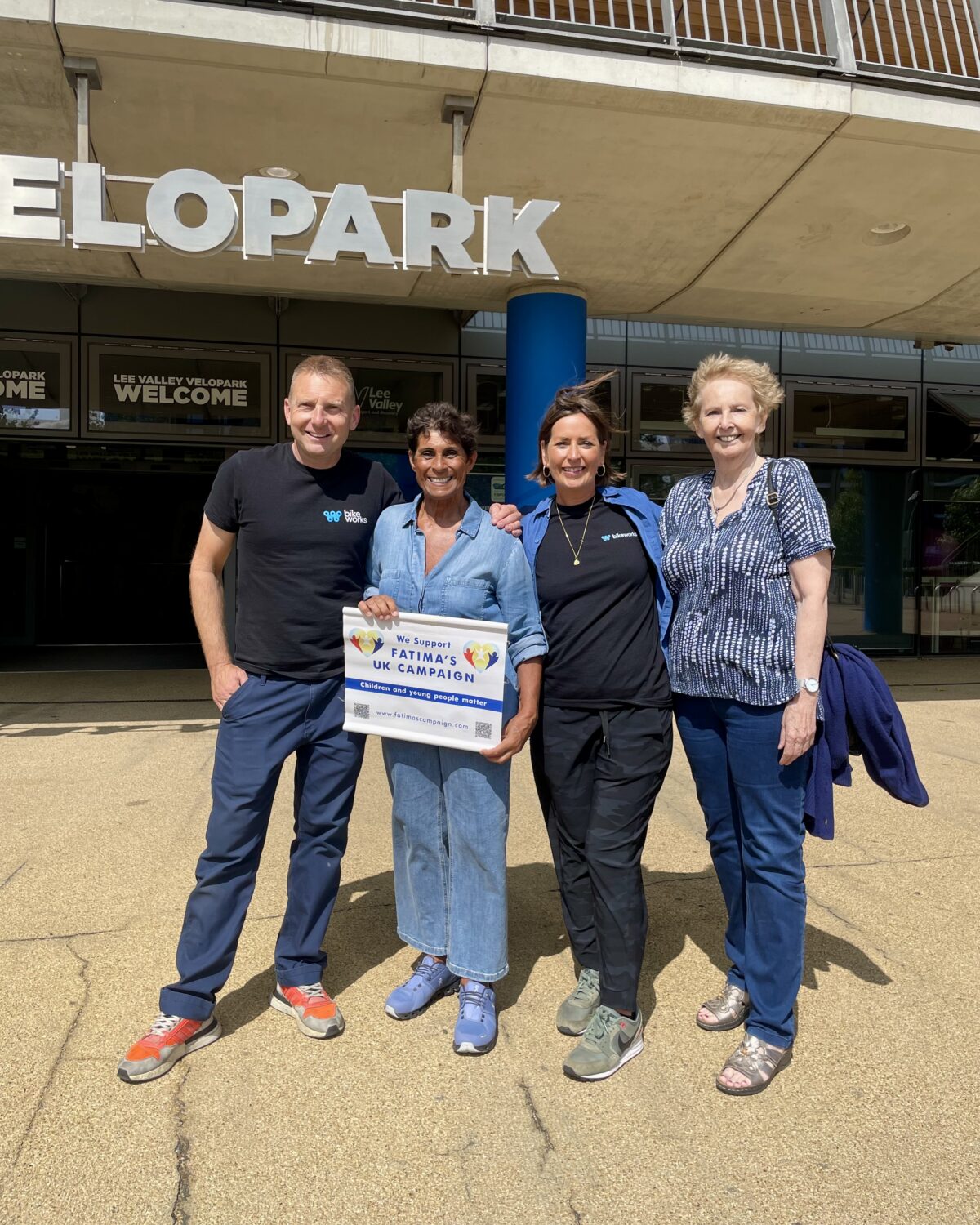
As we approach our twentieth birthday year, I was delighted to be named in Cycling UK’s Top 100 Women in Cycling 2025 list within the Industry Mogul category. The timing of this recognition arrives in a year where a debate on inclusion has taken centre stage in our sector. To be recognised on a list at the very moment when questions of who we include are being debated so openly in our sector feels significant, and it makes this the moment to speak from the values we hold at Bikeworks and from my role in this sector.

It raises a much larger question about what, and who, is being recognised in our sector right now.

Why This Matters to Me

Part of my perspective comes from the people in my life. I have a community of loved ones who identify as women and are not biologically female, and loved ones who identify as men and are not biologically male. Being close to people whose identities are questioned or misunderstood has shaped how I think about inclusion, belonging and recognition. It has taught me that identity is lived, not theoretical.

So when Cycling UK narrows who it recognises as a woman, it affects people who matter deeply to me and to our community. It sits in tension with the values that guide us as leaders, and with the purpose that has shaped Bikeworks from the beginning: creating spaces where people are seen and respected for who they know themselves to be.

What the Awards Are Meant to Celebrate

The 100 Women in Cycling initiative exists to celebrate the breadth of women contributing to the cycling world: community champions, innovators, influencers, industry leaders and the many people whose everyday actions encourage more people to ride. At its best, it widens representation and highlights the different experiences and forms of leadership that shape our sector.

That purpose sits in direct conflict with this year’s eligibility criteria.

By limiting nominations to biological women only, a celebration designed to broaden representation now actively excludes women who belong in this space. Instead of honouring the full diversity of women in cycling, it redraws the boundaries of who is allowed to count. It is a contradiction too significant to overlook.

How Values Show Up in Decisions

Cycling UK has framed this decision as a matter of legal interpretation. But nothing about a celebratory list requires excluding women who do not fit a biological definition. This was a choice, and choices show where an organisation places its values and ultimately shape the kind of sector we become.

This reveals a wider issue: the point where organisational risk management overtakes purpose. For those making decisions, this is the moment when caution overtakes courage, policy overtakes people and being legally safe comes at the expense of being meaningfully inclusive.

At Bikeworks, our values shape our culture, and our culture shapes our decisions, not the other way around.

Why This Moment Feels Bigger Than One Decision

This decision does not sit in isolation. We are living in a time where definitions of belonging are tightening politically, socially and economically. People who should be at the centre of decisions are often absent from the rooms where those decisions are made. The gap between policy and humanity continues to widen.

This moment raises important questions.
Who gets to decide who counts?
Who was in the room and had a seat at the table?
Whose voices shaped the criteria?
Whose identities were included?
Whose were left out?

These questions matter because inclusion is not a legal position. It is a cultural one, a moral one and a leadership one.

What Twenty Years Has Taught Us

For nearly two decades, Bikeworks has worked to widen the lens. To recognise people for who they know themselves to be. To build spaces of belonging. To challenge the narrow definitions that limit participation.

We have always widened the lens, not narrowed it.
We have always built belonging, not boundaries.
We have always understood inclusion as a practice, not a box to be ticked or a risk to be managed.

As we enter our twentieth year, that commitment remains unwavering.

An Invitation to Reflect and Reconsider

This is not a post to celebrate a place on a list. It is a moment to say something important.

If our sector wants to champion women in cycling — all women — then decisions like this need to be reconsidered. We can do better than this, and moments like these are opportunities to realign with the values we say we hold.

We can widen the lens.
And I am asking Cycling UK to do exactly that.

Stronger Together in Westminster: Cycling that Connects

The start of our journey together began with a simple question: can cycling bring people together who feel isolated or excluded? Working alongside Westminster City Council through a Department for Transport Tackling Loneliness with Transport pilot, we found the answer in motion—riding side by side, sharing stories, and feeling part of something bigger.

By listening to residents, we learned that the joy of cycling is about more than the bike. It’s about being alongside others, chatting while you move, and removing practical barriers—cost, storage, confidence—so people who never thought cycling was for them can experience freedom, companionship, and connection.

How Cycle Connect makes a difference

  • Shaped by lived experience. Residents told us what they needed; together we built a service that works for them.
  • Ride together. Up to three people can ride with one of our trained Cycle Pilots—sharing the journey, conversation, and the simple joy of being side by side.
  • Freedom to choose. Pedal, ride as a passenger, or add e-assist support—your ride, your way.
  • Friendly guidance. Pilots offer route advice, local tips, and encouragement throughout.
  • Connection at the heart. Every ride is about belonging and shared moments in motion.

“I never thought I’d cycle again after my stroke, but riding on Cycle Connect has given me back a sense of freedom. It’s not just the movement, it’s the laughter and company that make it so special.” – Westminster resident

Celebrating impact

Last year, Erma Ryan and Zoe Portlock had the privilege of attending the Active Westminster Awards, where Bikeworks won the Inclusive Award for Cycle Connect. This recognition celebrates how inclusive cycling can deepen connection and enrich everyday life across the borough.

Here’s Harry, one of our passionate Cycle Pilots, on why the rides matter and the difference they make for residents:

“Cycle Connect builds community engagement;  it gets people out and about, in the fresh air, and able to do things that they might not normally be able to do. They can go to appointments, meet new people and do some exercise. It helps them live their lives.”

A place-based, inclusive cycling offer

Cycle Connect is part of a wider network of activities available for Westminster residents:

  • All Ability Club – Regent’s Park: every Wednesday – bookable spaces
  • All Ability Club – Little Wormwood Scrubs: every Friday and alternate Saturdays – turn up and ride
  • Family SEND cycling – Ashburnham School: inclusive sessions for children and young people with SEND for the whole-family support

Ride with us, partner with us

Cycle Connect shows what’s possible when we work together: we reach people who’ve been overlooked, create meaningful connections, and unlock the freedom of cycling for all.

👉 Residents: Book a Cycle Connect ride or join an All Ability Club – more info on our website HERE.
👉 Community groups & services: Partner with us to extend our reach and deepen impact – Join Our Journey – more info HERE.

📩 Get in touch: enquiries@bikeworks.org.uk

Together with Westminster, we’re proving that cycling isn’t just transport — it’s movement, connection, and belonging.

Why the Right Fleet Matters for Inclusive Cycling

By Jamie Lawson, Inclusive Cycling Advisor at Bikeworks

When people think about cycling, they often picture two wheels, balance, and speed. But cycling can take many different forms, and with the right equipment, it becomes an activity that everyone can enjoy. That’s why having a fleet inclusive of cycles is essential, not only for All Ability Clubs, but also for schools, local authorities, care homes, and community groups that want to make cycling accessible to everyone.

As someone who both advises on inclusion and rides at Bikeworks’ All Ability Clubs, I see every week how the right cycle can remove any unnecessary barriers. A cycle that feels safe and comfortable not only makes participation possible, but also enables riders to experience the joy and freedom of cycling.


With the right cycles, no one is left out.

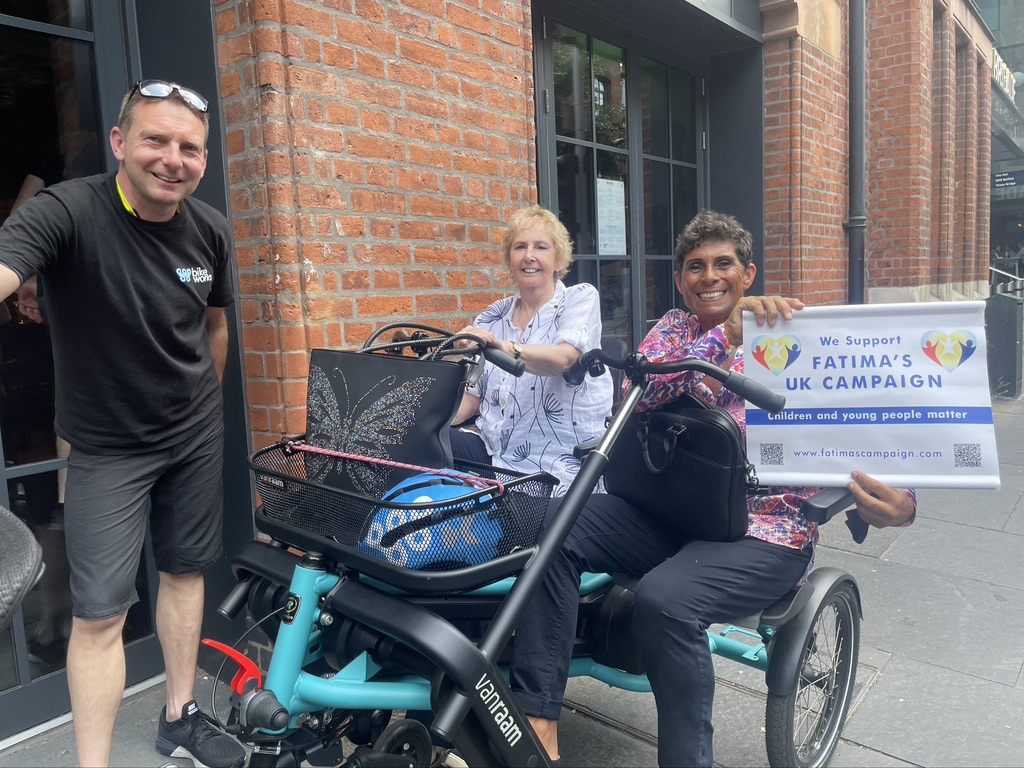
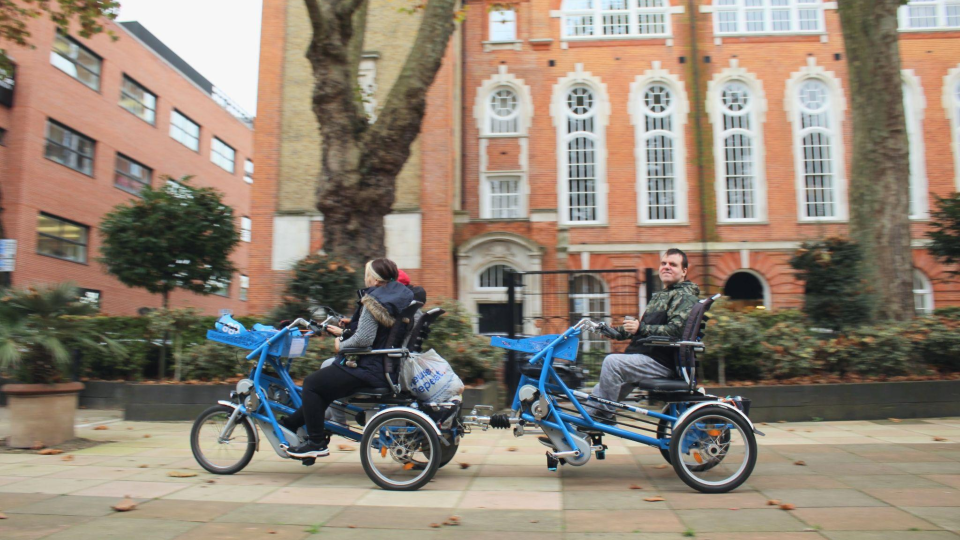
Recently, one of our clubs added two new cycles to the fleet: the Fun2Go and the EasyRider. These bikes have already transformed the way people ride together. The Fun2Go is a side-by-side tandem, so two riders can pedal and chat at the same time — perfect for friends, carers, or anyone who feels more confident with riding with company. The EasyRider, with its low step-through frame and supportive seat, makes cycling accessible for people who may struggle with balance or joint pain.

“Investing in the Fun2Go and EasyRider cycles from Bikeworks has been one of the best decisions for our community. As specialists in inclusive cycling, Bikeworks helped us choose the right bikes to meet local needs. These cycles have opened up riding to people of all ages and abilities, and we’re already seeing the benefits — more people taking part, more confidence, and more families enjoying cycling together.


I’ve seen first-hand the joy these cycles bring.

Riders who hadn’t been on a bike in years are rediscovering the freedom of movement. Families are cycling together in ways they never thought possible. One person told me that the Fun2Go made them feel like they were “part of the action again,” after years of watching from the sidelines.

For me personally, my favourite cycle is the Fun2Go. There’s something special about being able to share the ride side by side. It turns cycling into a social activity — laughter, conversation, and exercise all rolled into one.

Getting the fleet right isn’t just about variety. It’s about equity.

It ensures that no matter your age, ability, or confidence level, there’s a cycle that can work for you. That’s what makes inclusive cycling so powerful. It’s not just about bikes — it’s about freedom, wellbeing, and connection.

If you’re curious, visit us at our Inclusive Cycle Sales Showroom opposite the Velo in the Olympic Park, or come along to one of our All Ability Clubs. We can help you find the right fleet for your school, local authority, care home, or community group.

“These Bikes Are a Lifeline” — Bikeworks Appeals for Support After Devastating East London Theft

Community Cycling Club Forced to Scale Down After Targeted Break-In

Will you help us recover from a targeted overnight break-in that saw over £15,000 worth of specialist adapted cycles stolen from its Victoria Park All Ability Club?

The theft forced our inclusive cycling club — which provides a safe, social space for disabled people, carers, and those with long-term health conditions — to shut down. Although it has now reopened on a limited basis, the loss of its adapted fleet means fewer people across Tower Hamlets, Hackney, and Newham can take part in activities that help them stay active, independent, and connected.

“These bikes are a lifeline — they’re what make it possible for people with physical, sensory or learning disabilities to experience the freedom of cycling,” said Zoe Portlock, Co-CEO of Bikeworks.

“As a social enterprise, our commercial services fund vital access to cycling for people who are too often left out. Now we’re asking East London’s community to help us rebuild.”

Layla, a regular participant who attends the club with her adult son, added:

“This club is one of the only places where we both feel safe and included. The bikes make it possible for us to enjoy something together. We don’t want to lose that.”

How You Can Help

Support Us What It Does
Donate via GoFundMe Helps replace stolen cycles and restore the Victoria Park Club to full capacity
Book a team-building event Our Charity Bike Factory programme funds free cycling and donates bikes to local families and projects like Moving Moi and Mile End Community Project

🔗 Donate: gofundme.com/f/rebuild-our-community-bike-fleet-after-breakin 

🔗 Team-building: teambuilding.bikeworks.org.uk 


Tackling Exclusion: Why People with Learning Disabilities Must Be Seen

By Zoe Portlock, Co-Founder and Co-CEO, Bikeworks

Twenty-five years ago, I began my career at a charity supporting people with learning disabilities and their families. I saw firsthand the exclusion faced across every part of life  from education and employment to sport, leisure, and community participation.

Decades later, the story is far too similar. Today, people with learning disabilities remain among the most excluded in society  more likely to experience loneliness, less likely to be in work, and more at risk of poor physical and mental health.

Driven by purpose, in response I established a supported employment and training service that still operates today, and went on to develop two social enterprises  one providing employment through fleet vehicle valeting, and the other, Bikeworks, using cycles as tools for inclusion, wellbeing, and connection.

But despite this – and the determined efforts of many across the years  people with learning disabilities continue to face persistent and systemic exclusion. The data lays bare just how entrenched the inequality remains:

  • Just 5.1% of adults with a learning disability known to social care are in paid employment (NHS Digital, 2023).
  • People with learning disabilities are twice as likely to be physically inactive compared to the general population (Sport England, 2020).

Why is this still acceptable?

At Bikeworks, we know what works. Our All Ability Clubs and events, and inclusive maintenance training, provide access to physical activity, independence, and confidence building. But this is still seen as niche  something unique, rather than the norm. For real change to happen, we need to scale inclusion, and that requires political will, sustained investment, and better data.

Here’s what needs to happen:

  • Better recording of learning disability data across physical activity and health settings, so we understand participation  or lack of it  and respond accordingly.
  • Targeted investment into inclusive cycling infrastructure and programmes, building on proven models that enable access and confidence.
  • A national employment strategy that includes social enterprise and supported employment models  recognising the skills, talents, and aspirations of people with learning disabilities.
  • A policy framework that treats inclusion not as a bolt-on, but as a baseline — embedded across sport, education, work, and community life.

This Learning Disability Week, we stand proudly with our east London neighbours at Bridget’s Café — run by ASL, a social enterprise championing employment and visibility.

Every week, the team rides with us at our All Ability Club. Every day, they show what’s possible when opportunity meets equity.


Let’s not just celebrate inclusion.

Let’s fund itlegislate for it, and embed it into our systems.

Because people with learning disabilities are not the problem.

The structures that exclude them are.

And those can, and must — change.

Footnote:

Since the COVID-19 pandemic, Bikeworks has seen a marked increase in participation across our All Ability Club programme. At Queen Elizabeth Olympic Park, attendance more than doubled in the past year alone — a rise of over 100%. Despite this visible and growing demand, we continue to fight for consistent revenue investment. This increase is not simply about popularity — it highlights a deeper issue: the continued absence of inclusive, community-level physical activity offers that meet the needs of disabled people and those with learning disabilities.

Bridgets Cafe ASL and Bikeworks

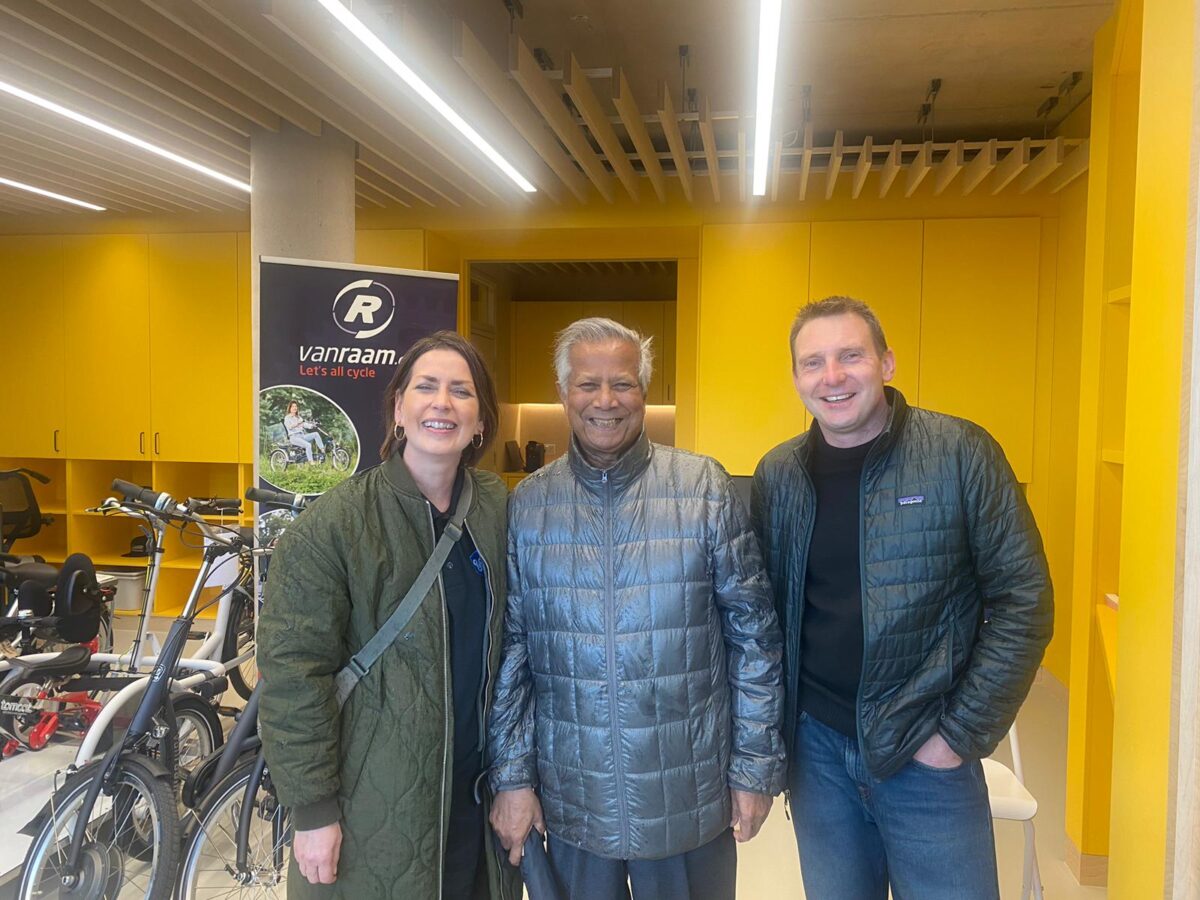
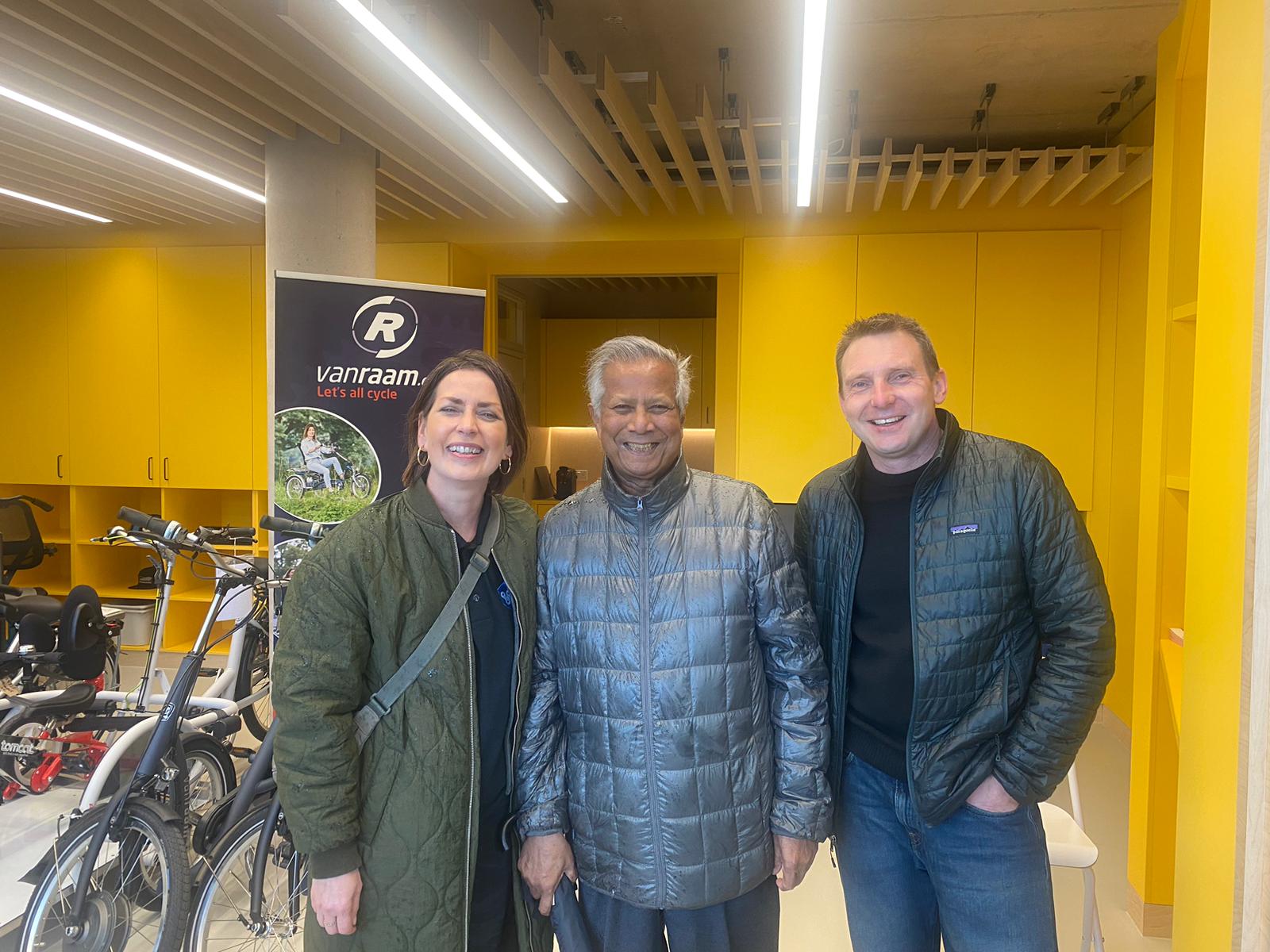
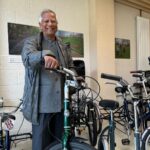
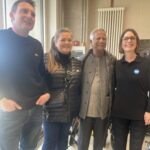
When Bikeworks Met Professor Muhammad Yunus – the Nobel Peace Prize Laureate & Father of Social Enterprise

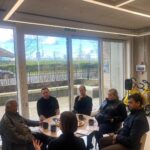
A year ago, Bikeworks had the incredible honour of welcoming Professor Muhammad Yunus – the Nobel Peace Prize laureate and widely regarded father of social enterprise – to our organisation. For our Co-Founders, Jim and Zoe, this moment was deeply meaningful, as Yunus’ pioneering work has been a profound inspiration in shaping their journey as social entrepreneurs.

Yunus has redefined the role of business in society.


Through Grameen Bank, he revolutionised micro-finance, enabling people who were previously excluded from financial systems to build businesses, create livelihoods, and escape poverty. But his impact extends far beyond finance. His innovative approach has transformed social enterprises across sectors like health, education, and even sport, demonstrating that business can be a powerful force for social change.

In 2021, the International Olympic Committee (IOC) honoured Yunus with the Olympic Laurel during the Tokyo 2020 Opening Ceremony, recognising his extraordinary achievements in education, culture, development, and peace through sport. Yunus’ collaboration with the IOC aims to integrate social business principles into the Olympic Games, ensuring that these global events leave a lasting, positive legacy for local communities.

This resonates deeply with us at Bikeworks – we share Yunus’s belief in using business to address inequalityNearly 19 years ago, Bikeworks’ original vision, Olympic Bikes, was born from the idea that the London 2012 Olympics should create a lasting legacy – not just for elite sport, but for accessibility, healthy communities, and inclusive travel. Inspired by Yunnus, our Co-Founders saw firsthand how social enterprises could drive change, create jobs, and promote wellbeing – using the growth of the social enterprise movement and the cycle as a tool for good. 

Yunus’ visit to Bikeworks was a moment of profound reflection and motivation.


His vision and leadership have shaped the social enterprise movement we are proud to be a part of. The extraordinary events of the past year in his life – culminating in his unprecedented rise to lead Bangladesh, overcoming intense political opposition and personal persecution – serve as a powerful reminder of how social business can challenge the status quo and reshape entire systems.

The world is changing, and the role of social enterprises has never been more crucial as a movement for a more inclusive, fairer world.


Huge thanks go to Peter Holbrook, Emily Cherry, Shazia Hussain, and everyone at Pioneers Post, QEOP LLDC, School of Social Entrepreneurs and Social Enterprise UK.

Cycle Connect

Cycle Connect

London's inclusive active travel and mobility service
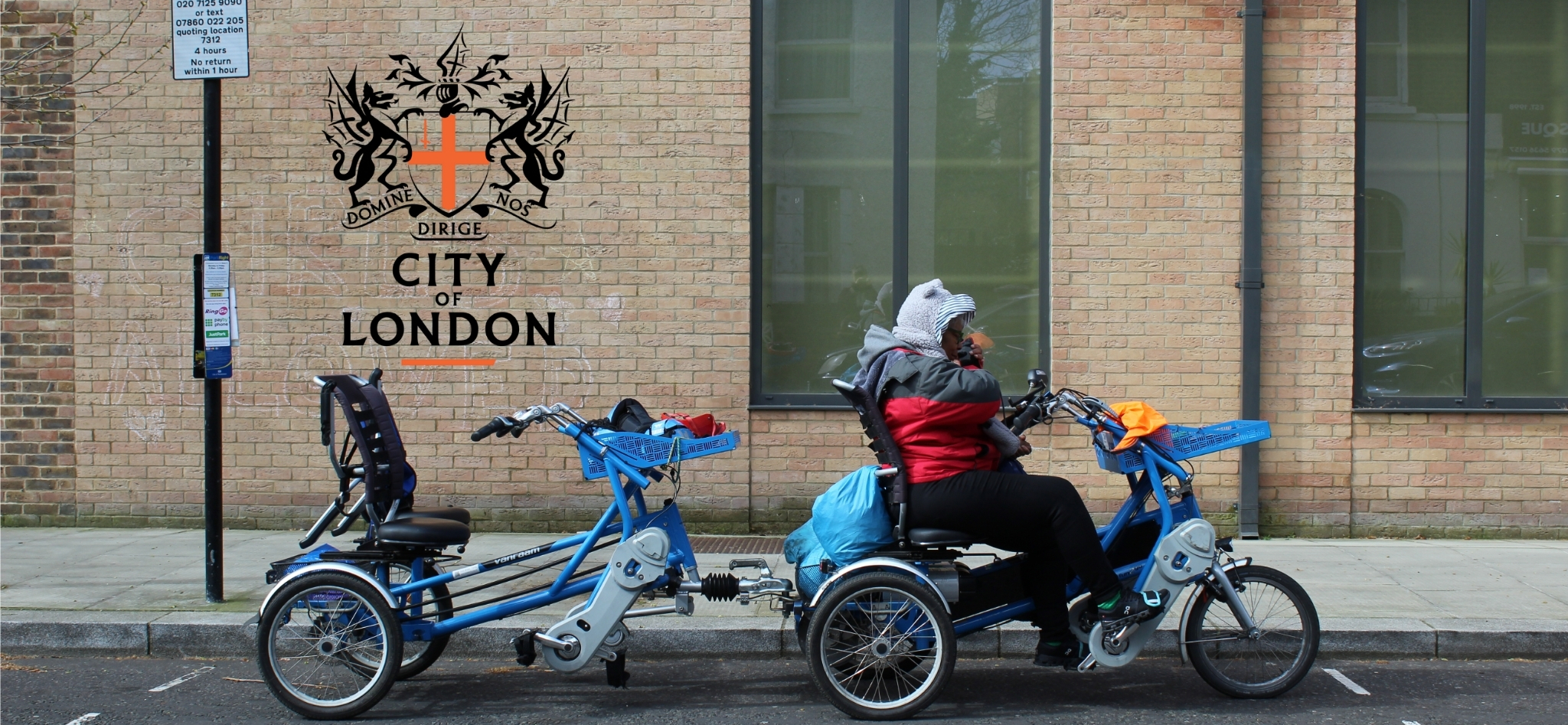
Cycle Connect is a transport service that uses side-by-side e-assist cycles, allowing passengers to ride with a trained pilot. Passengers can choose to pedal for exercise or simply enjoy the ride while their pilot manages the journey. This setup ensures a safe and inclusive experience for up to three passengers at a time, with support tailored to individual needs.

How it Works

STEP 1

Check Eligibility

STEP 2

Book

STEP 3

Ride
1. Check Eligibility

Cycle Connect is funded to provide free rides for individuals and community organisations who live in the City of Westminster council and meet the following criteria:

1. You self-identify as belonging to one or more of the following groups:

    • older adults
    • people with restricted mobility
    • disabled people (including sensory impairments, learning and physical disabilities)
    • people who experience social isolation and exclusion

2. You live within the eligibility area

    • Refer to the map below

1. Your organisation works with clients who belong to one or more of the following groups:

    • older adults
    • people with restricted mobility
    • disabled people (including sensory impairments, learning and physical disabilities)
    • people who experience social isolation and exclusion

2. Your organisation is located within the eligibility area

    • Refer to the map below

2. Book

Check our hours of operation below and get in touch to book your trip!

Our service is currently on pause and will resume from the 1st June 2026.

MON: no service

TUE: no service

WED: 10:00 am – 4:00 pm

THU: 10:00 am – 4:00 pm

FRI: no service

SAT: no service

SUN: no service

Call:
0208 9807 998 (option 4)

3. Ride

Before your ride, please review our Passenger Agreement to ensure a safe and comfortable ride for everyone on board. More information about what to expect can be found below.

Our Side-by-Side cycles have space for up to 3 passengers, so you are welcome to bring your friends, family, or carers along for the ride. Just let us know during the booking process.

If you are booking as an individual, we’ll try to fill the available seats so as many people as possible can benefit from Cycle Connect! This means we will take bookings from other individuals and you may get to meet a new friend!

Our trained Cycle Connect pilots will take you on a ride, selecting the best possible route for the needs of everyone on board. During the ride, you are welcome to pedal for some gentle exercise, or just sit back and relax. We have storage for your belongings and can transport most mobility aids.

We will work with you in advance to create a plan that meets the needs of your organisation and clients. This can take many forms, such as a weekly ride through the neighbourhood or a pick-up/drop-off service to get people to and from a regular day program.

We look forward to working together! You can expect us to ask the following questions when we develop a session:

    • Purpose: What do you hope to get our of the Cycle Connect session?
    • Timing: When will the ride take place and how often?
    • Location: Is it a one-way or round-trip? Where will pick-up and drop-off take place?
    • Passengers: How many people will attend the session? Do they have any specific accessibility needs?

From your end, we request a designated representative who will act as they point of contact and be responsible for coordinating your clients and making sure they are ready at the pre-determined pick-up time and location.

Any other questions, don’t hesitate to get in touch!

FAQs

Cycle Connect is designed to make cycling easier and more inclusive for adults of all abilities. Our side-by-side cycles are step-free and equipped to securely transport most mobility aids. Our friendly pilots can offer assistance with transferring onto the cycle and ensuring your feet are safely placed on the pedals. The cycle is steered by the pilot, and the power assist allows you to pedal as much or as little as you like.

While we aim to be as inclusive as possible, safety is our priority. Your first session may serve as a taster to ensure Cycle Connect meets your needs.

No, only the primary user of Cycle Connect needs to be a resident of our operational areas. This requirement is due to the conditions set by our funders. Carers, family members, and friends accompanying the primary user can be from elsewhere.

No, Cycle Connect is completely free to use. We are generously funded by the  Westminster City Council and the Active Westminster fund allowing us to provide this service to eligible passengers at no charge.

Yes, our cycles have designated storage space for small personal belongings, such as bags or walking aids. If you’re unsure about specific items, please ask us before your trip.

We ask that you provide as much notice as possible if you need to cancel a trip. This allows us to offer the time slot to someone else who may benefit from the service.

Our service is often fully booked, so timely cancellations help us ensure that as many people as possible can experience the benefits of Cycle Connect. If cancellations are made with little to no notice repeatedly, we may need to discuss your future bookings with you.

Cycle Connect operates in most weather conditions, but we prioritize safety. Rides are canceled if yellow or red weather warnings are in place. We also encourage passengers to dress appropriately for the weather, whether it’s sunny, rainy, or cold.

Cycle Connect currently operates in Westminster based on funding. We’re always looking to expand, so please share your interest—it helps us advocate for new locations!

Yes, you can! Bookings can be made on behalf of passengers as long as they meet our eligibility criteria.

Yes, we’d love to collaborate with you to bring Cycle Connect to your event! Our service is available for hire, but there are a few key requirements to keep in mind:

    • The cycle must be hired with a trained pilot to ensure safety and proper operation.
    • Events should align with our mission to serve our target demographics, such as individuals with disabilities, older adults, or those who would benefit from accessible, inclusive transport options.
    • A fee is charged for the service, which helps support the ongoing operation and impact of Cycle Connect.

If you’re interested, please get in touch to discuss your event and how Cycle Connect can contribute. We’re happy to explore the possibilities with you!

At this time, Cycle Connect does not offer private rides. To ensure we can provide access to as many people as possible, you may share your ride with other individuals. We hope this approach allows more people to experience the benefits of the service. If you have specific concerns or needs, please get in touch, and we’ll do our best to accommodate you.

As a free-to-access service for eligible passengers, understanding who is using Cycle Connect and how they benefit helps us demonstrate our positive impact to funders. Any demographic questions you may be asked prior to your trip are entirely optional but play an essential role in ensuring we can continue to operate this service and secure future funding. All data collected is used solely for reporting and service development purposes.

Our All Ability Clubs operate in a number of boroughs across London, and give users the opportunity to ride a variety of specially adapted cycles, trikes, recumbents, and our side-by-side cycle. For residents of Westminster, your closest club is located at Little Wormwood Scrubs on Fridays from 10:00 am – 1:00 pm.
Our Impact

Outcomes

“Being a carer can be isolating; you don’t meet people, you don’t see people. I really appreciate [the pilots] because you develop a bond with them. They’re from the outside looking in, so sometimes they can help with things that you’re going through.

There are a lot of disabled people that would benefit a great deal from the service. I’ve benefited, my son’s benefited – it’s life changing. It really is.”

-Caroline

“Every week, I go bike riding and I love it – absolutely love it.

I’ve always been active and strong, but I’m not quite where I want to be. It gets me moving and I’m more mobile than before.

I enjoy getting out in the fresh air. You just bump into people. You wouldn’t get that sitting indoors, would ya? You’re out living.”

-Michael

“I have hip problems and I’m in line for surgery. Walking is difficult and painful, even with my walking stick.

I attend a weekly appointment at the hospital to work on my mobility, and without Cycle Connect, I’d be struggling to get to and from the bus stop. The door-to-door service has really helped me!”

-Claudette

Passenger Spotlights

Reports

Discover the difference Cycle Connect is making in the local community by reading our Evaluation Report Summary. It highlights the positive outcomes and real-life benefits of the service.

Learn more about how Cycle Connect has previously supported efforts to tackle social isolation and loneliness across London by visiting the Department for Transport project overview.

See Cycle Connect in Action

Any questions? Or ready to book a trip?


Call:
0208 9807 998 (option 4)

Email:
cycle.connect@bikeworks.org.uk

With support from: