When Being Recognised Raises Questions That Matter

Counting Women: What This Moment Reveals

Zoe Portlock, Co-Founder and Co-CEO, Bikeworks

Looking Back as We Approach Twenty Years

As Bikeworks approaches its twentieth year, Jim and I have been reflecting on the values that have shaped us since the beginning: inclusion, accessibility, community and respect for identity. These are not abstract concepts or strategic aspirations. They are the foundations that have guided every decision we have made as co-founders, partners and leaders in building an inclusive cycling organisation across two decades of change.

Bikeworks has never focused on individual achievement. We are a purpose with a business, and any impact we have created belongs to the people who participate in it, deliver it and shape it alongside us. Our work is, and has always been, collective.

As we approach our twentieth birthday year, I was delighted to be named in Cycling UK’s Top 100 Women in Cycling 2025 list within the Industry Mogul category. The timing of this recognition arrives in a year where a debate on inclusion has taken centre stage in our sector. To be recognised on a list at the very moment when questions of who we include are being debated so openly in our sector feels significant, and it makes this the moment to speak from the values we hold at Bikeworks and from my role in this sector.

It raises a much larger question about what, and who, is being recognised in our sector right now.

Why This Matters to Me

Part of my perspective comes from the people in my life. I have a community of loved ones who identify as women and are not biologically female, and loved ones who identify as men and are not biologically male. Being close to people whose identities are questioned or misunderstood has shaped how I think about inclusion, belonging and recognition. It has taught me that identity is lived, not theoretical.

So when Cycling UK narrows who it recognises as a woman, it affects people who matter deeply to me and to our community. It sits in tension with the values that guide us as leaders, and with the purpose that has shaped Bikeworks from the beginning: creating spaces where people are seen and respected for who they know themselves to be.

What the Awards Are Meant to Celebrate

The 100 Women in Cycling initiative exists to celebrate the breadth of women contributing to the cycling world: community champions, innovators, influencers, industry leaders and the many people whose everyday actions encourage more people to ride. At its best, it widens representation and highlights the different experiences and forms of leadership that shape our sector.

That purpose sits in direct conflict with this year’s eligibility criteria.

By limiting nominations to biological women only, a celebration designed to broaden representation now actively excludes women who belong in this space. Instead of honouring the full diversity of women in cycling, it redraws the boundaries of who is allowed to count. It is a contradiction too significant to overlook.

How Values Show Up in Decisions

Cycling UK has framed this decision as a matter of legal interpretation. But nothing about a celebratory list requires excluding women who do not fit a biological definition. This was a choice, and choices show where an organisation places its values and ultimately shape the kind of sector we become.

This reveals a wider issue: the point where organisational risk management overtakes purpose. For those making decisions, this is the moment when caution overtakes courage, policy overtakes people and being legally safe comes at the expense of being meaningfully inclusive.

At Bikeworks, our values shape our culture, and our culture shapes our decisions, not the other way around.

Why This Moment Feels Bigger Than One Decision

This decision does not sit in isolation. We are living in a time where definitions of belonging are tightening politically, socially and economically. People who should be at the centre of decisions are often absent from the rooms where those decisions are made. The gap between policy and humanity continues to widen.

This moment raises important questions.
Who gets to decide who counts?
Who was in the room and had a seat at the table?
Whose voices shaped the criteria?
Whose identities were included?
Whose were left out?

These questions matter because inclusion is not a legal position. It is a cultural one, a moral one and a leadership one.

What Twenty Years Has Taught Us

For nearly two decades, Bikeworks has worked to widen the lens. To recognise people for who they know themselves to be. To build spaces of belonging. To challenge the narrow definitions that limit participation.

We have always widened the lens, not narrowed it.
We have always built belonging, not boundaries.
We have always understood inclusion as a practice, not a box to be ticked or a risk to be managed.

As we enter our twentieth year, that commitment remains unwavering.

An Invitation to Reflect and Reconsider

This is not a post to celebrate a place on a list. It is a moment to say something important.

If our sector wants to champion women in cycling — all women — then decisions like this need to be reconsidered. We can do better than this, and moments like these are opportunities to realign with the values we say we hold.

We can widen the lens.
And I am asking Cycling UK to do exactly that.

Everyday Cyclists, Extraordinary Stories: Becky Mursell x Bikeworks

Cycling is more than movement.

It’s freedom. It’s joy. It’s community.

For nearly 20 years, Bikeworks has been creating inclusive spaces where difference is visible – and valued.

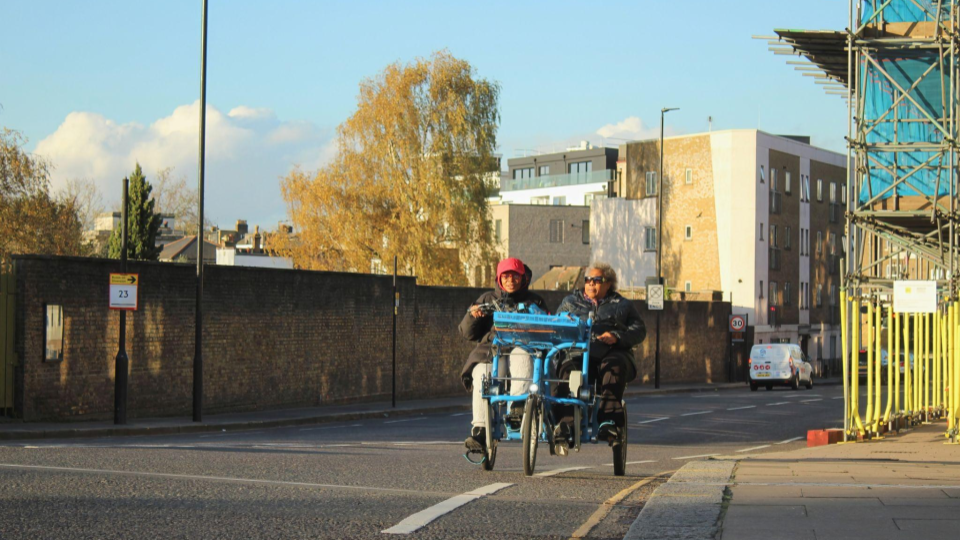
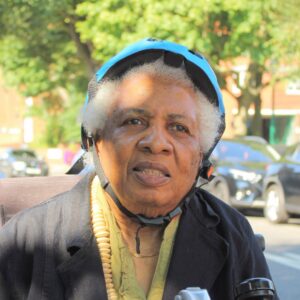
Photographer Becky Mursell shares this same vision through her portrait series The Everyday Cyclist. Her portraits capture people and their cycles: from handcycles to two-wheelers, from commuters to leisure riders, celebrating the rich diversity of cycling in London.

Over three years, the project has grown into a remarkable archive of more than 115 cyclists, each with their own story. Among them are Erma, and soon Jamie — both part of the Bikeworks community. Their portraits reflect the spirit of inclusion that powers everything we do.


Becky Mursell — beckymursell.com | @beckymursellphotography


Capturing Difference

At Bikeworks, cycles aren’t just equipment – they’re freedom, confidence, and connection.

The Everyday Cyclist makes this visible. Each portrait shows the bond between rider and cycle, where difference is celebrated, pride shines through, and individuality takes centre stage.

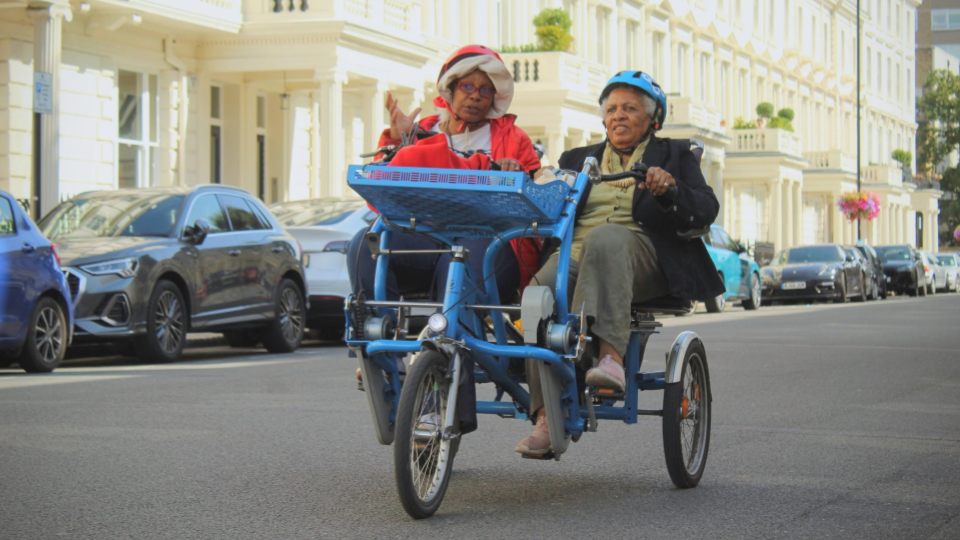
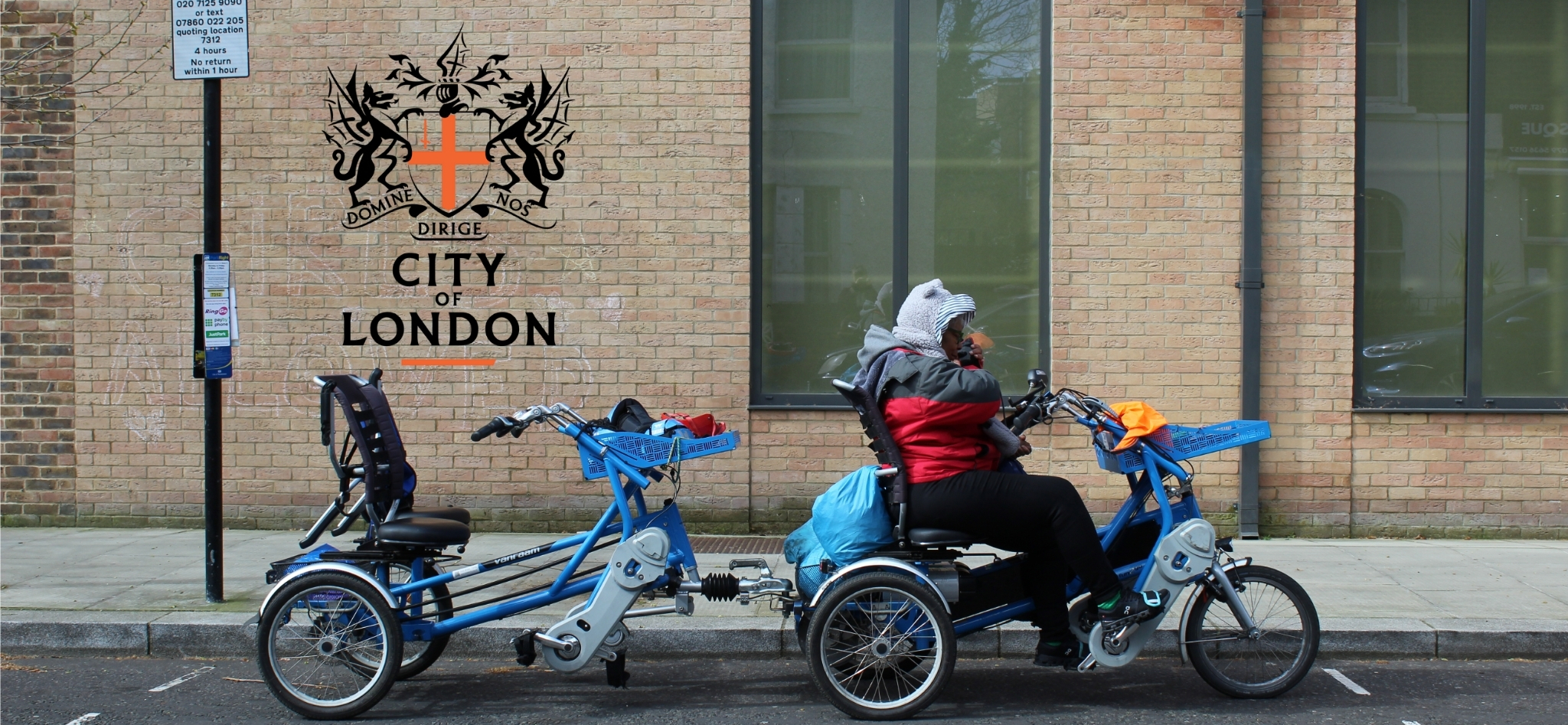
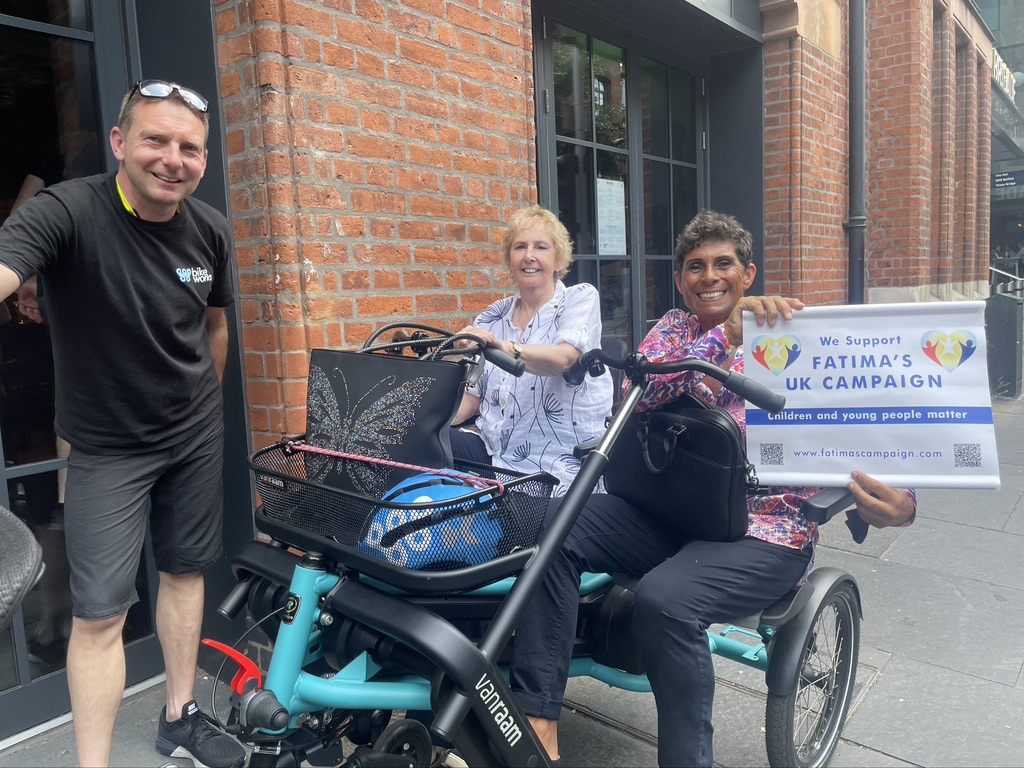
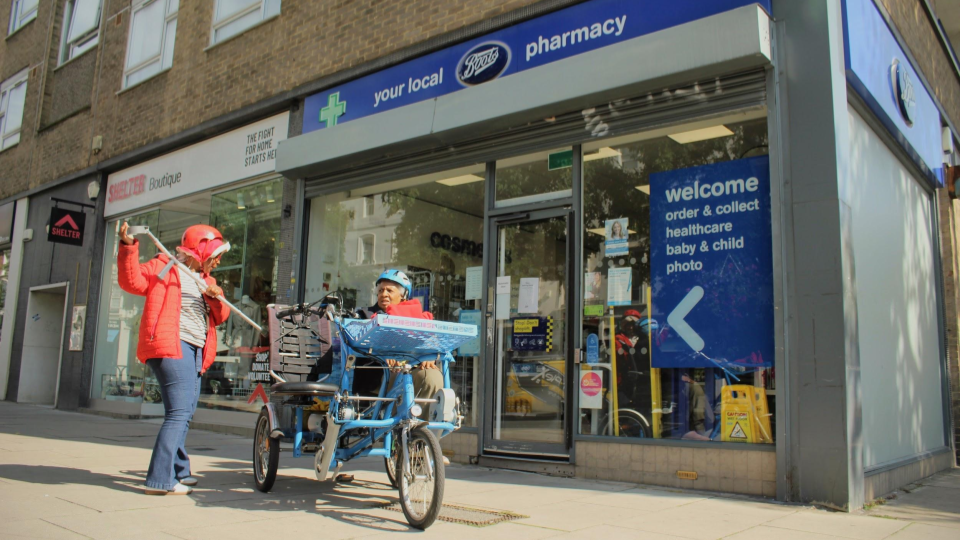
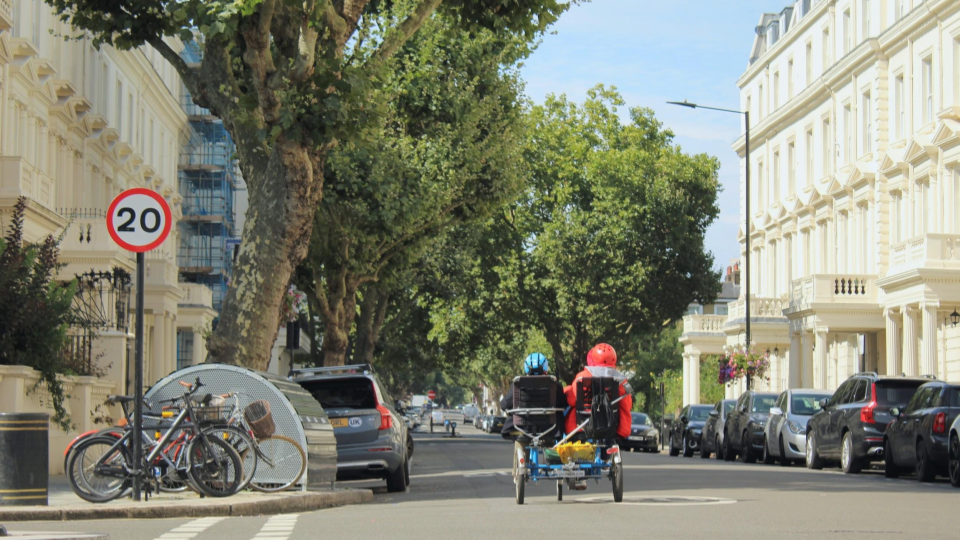
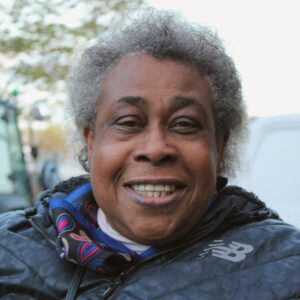
  • Erma, our Community Connector Cycle Pilot, uses the side-by-side cycle to reach people who are isolated, sparking joy and belonging through the simple act of riding together.

“I meet lots of people and make lots of friends. No two days are the same – whether it’s going for a joy ride, picking up shopping, or taking people to appointments. I really love doing this.”


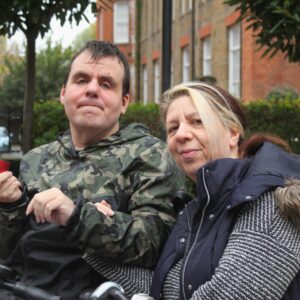
  • Jamie, our Inclusive Cycling Advisor and a regular rider at our All Ability Club, will soon feature in the series. Her portrait will capture her individuality and determination — qualities that shape how cycling is made accessible at Bikeworks.

“As someone who both advises on inclusion and rides at Bikeworks’ All Ability Clubs, I see every week how the right cycle can remove any unnecessary barriers. A cycle that feels safe and comfortable not only makes participation possible, but also enables riders to experience the joy and freedom of cycling.”

Together, their portraits and voices show what cycling becomes when joy is shared and community is built.


What’s Next for Becky

The ambition for 2026 is bold:

“I am determined to reach and inspire those who don’t cycle yet, as well as to use it as a tool to help position cycling as a powerful public health intervention.

My dream is to publicly launch with an exhibition in either Parliament or City Hall to coincide with UK Bike Week in June 2026. Followed by a year-long public art tour across London, installing the portraits in spaces like high streets, parks, hospitals, transport hubs, and shopping centres: reaching people where they live, shop, and travel.” — Becky Mursell


Why It Matters for Bikeworks

At Bikeworks, we’ve always believed in the power of the cycle as more than transport — it’s a catalyst for health, wellbeing, and community connection. Our programmes have shown that when everyone has access to a cycle, it can be a literal lifesaver — improving physical health, boosting mental wellbeing, and tackling deep-rooted health inequalities.

“Becky’s vision resonates with us because we’ve seen first-hand how something as humble as a cycle can change lives. Her portraits tell that story in a way that’s bold, beautiful, and impossible to ignore. By shining a light on difference, she’s helping to make visible what we’ve worked towards for nearly 20 years — that cycling belongs to everyone.” — Zoë Portlock, Co-CEO & Co-Founder, Bikeworks

Why It Matters

Cycling changes lives. It lifts moods, improves health, and creates community. When barriers are removed and the right cycles are available, people who might otherwise be left out discover independence, friendship, and confidence through riding.

The Everyday Cyclist celebrates this truth. By sharing the portraits of Erma, Jamie, and many others, Becky is showing that cycling is not just for the few – it’s for everyone.


See The Everyday Cyclist

Meet Becky

Based in London, Becky Mursell is a freelance photographer with a passion for people and a love of bikes.

Her commercial work spans portraiture and events, helping organisations from businesses to schools and charities communicate who they are and what they do best.

Cycling became part of her life after moving to London, initially as a practical way to save money and boost mental health. What began as commuting grew into adventure, challenge, and community.

Highlights include placing in the top 2% of women in Ride London (2023 and 2024), completing ultra-distance challenges like the Norfolk 360 (400km) and Bryan Chapman (600km), and planning a ride in the Himalayas in Summer 2027.


Together We’re Stronger: Partnership in Action at Mile End

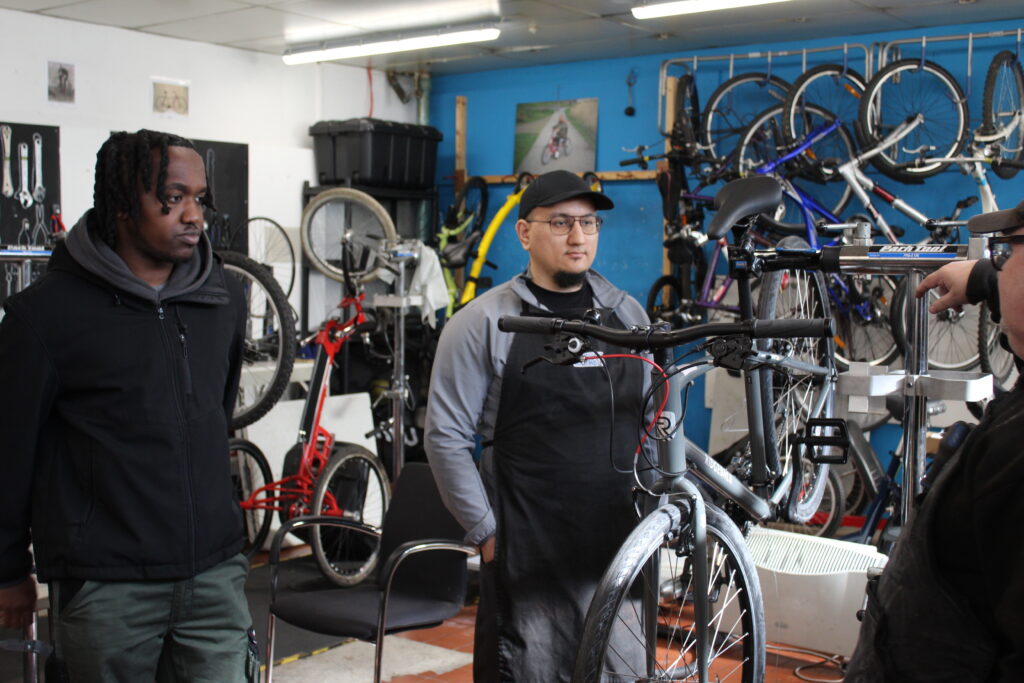
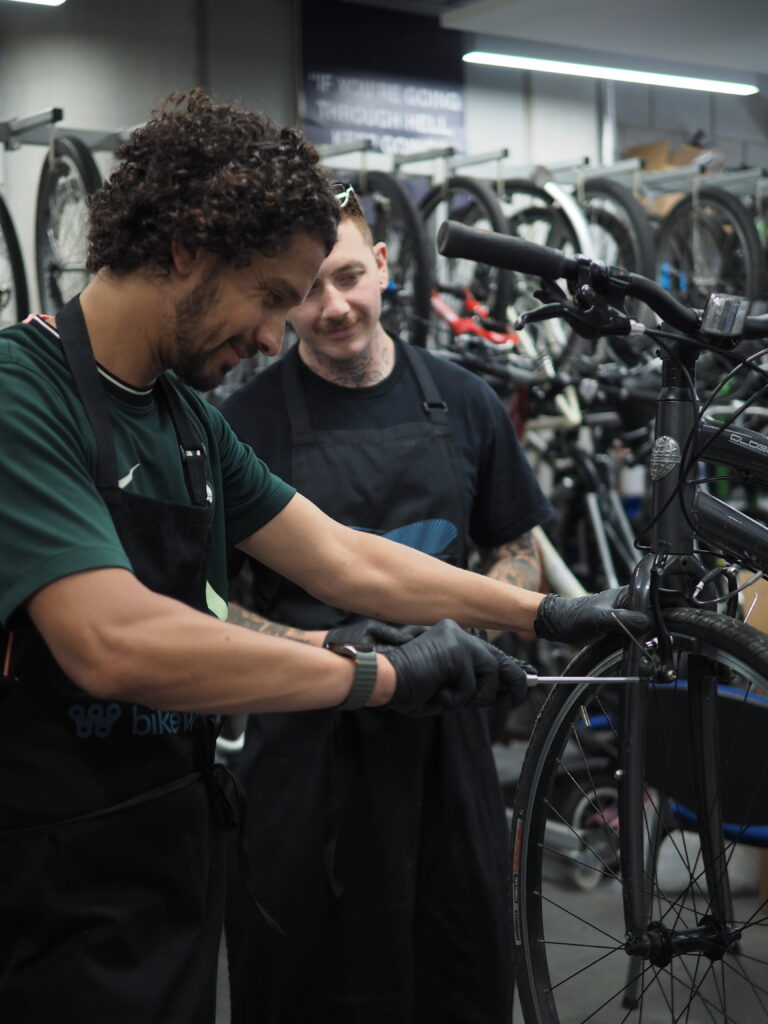
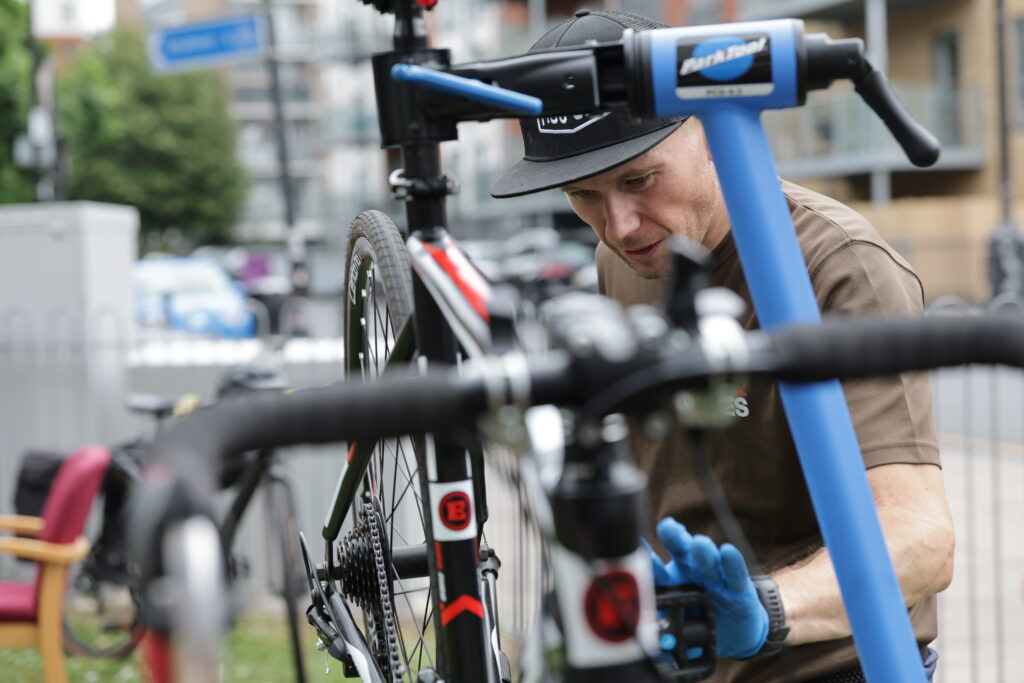
Our recent Dr Bike event in Mile End showed what happens when community organisations come together with a shared purpose. Across the day, 90–100 people dropped in to get their bikes checked, repaired, and back on the road. Brake pads, cables, and other essential fixes were made — saving people hundreds of pounds they may not have been able to spend otherwise. For many, it was the difference between leaving their bike at home or keeping cycling.

This event was made possible through support from Tower Hamlets Council.

The day was led by Mile End Community Project (MCP), whose deep roots and trusted relationships in the neighbourhood brought residents along in large numbers. As Nurull from MCP described, Dr Bike is a “lifeline” — and that’s exactly what it felt like on the day.


MCP – Dr Bike Workshop at Mile End Community Project  –  Photography by Rehan Jamil


Zoe Portlock, Co-CEO of Bikeworks, said:

“When people share the same purpose, great things happen. Working with MCP is great proof of that — their strong community ties and our mechanics’ know-how came together to support people who needed it most. That’s what partnership is all about: side by side, making cycling something everyone can enjoy.”

Nurull Islam added:

“Events like Dr Bike Fest show how collaboration between community groups, local organisations, and partners can make a real difference. By breaking down barriers such as costly repairs, we’re encouraging more people to embrace cycling as a healthy, sustainable way to travel.”

What stood out was how agile and innovative both organisations were in working together. From MCP’s on-the-ground organising and volunteer support, to Bikeworks’ mechanics and practical know-how, we showed how partnership can respond directly to community need while staying rooted in a shared purpose.


MCP – Dr Bike Workshop at Mile End Community Project  –  Photography by Rehan Jamil


These partnerships don’t just fix bikes; they build confidence, reduce inequalities, and strengthen community ties.

A short survey MCP ran captured postcode data and rider feedback, giving us valuable insight into who attended and how the event is making a difference. And thanks to photographer Rehan Jamil and MCP’s film clips, we have powerful visuals to tell the story.


MCP – Dr Bike Workshop at Mile End Community Project  –  Photography by Rehan Jamil


What’s next?

The demand and energy on the day were clear — people were already asking when the next Dr Bike will be. MCP is planning a follow-up session after the summer holidays, and we’ll be there again. Because this isn’t just about repairs; it’s about showing what communities can achieve when we come together with shared values and purpose.


MCP – Dr Bike Workshop at Mile End Community Project  –  Photography by Rehan Jamil


Why the Right Fleet Matters for Inclusive Cycling

By Jamie Lawson, Inclusive Cycling Advisor at Bikeworks

When people think about cycling, they often picture two wheels, balance, and speed. But cycling can take many different forms, and with the right equipment, it becomes an activity that everyone can enjoy. That’s why having a fleet inclusive of cycles is essential, not only for All Ability Clubs, but also for schools, local authorities, care homes, and community groups that want to make cycling accessible to everyone.

As someone who both advises on inclusion and rides at Bikeworks’ All Ability Clubs, I see every week how the right cycle can remove any unnecessary barriers. A cycle that feels safe and comfortable not only makes participation possible, but also enables riders to experience the joy and freedom of cycling.


With the right cycles, no one is left out.

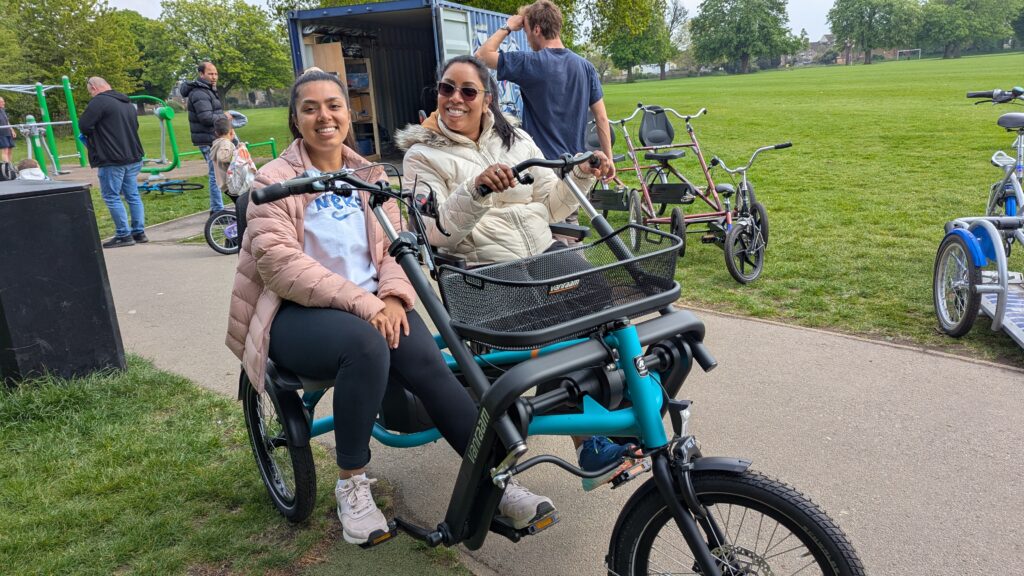
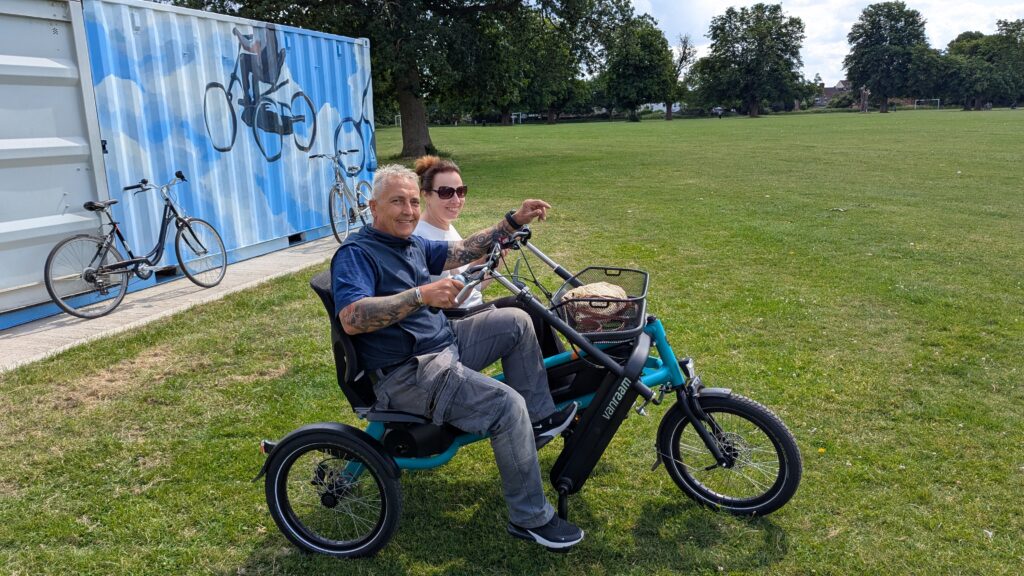
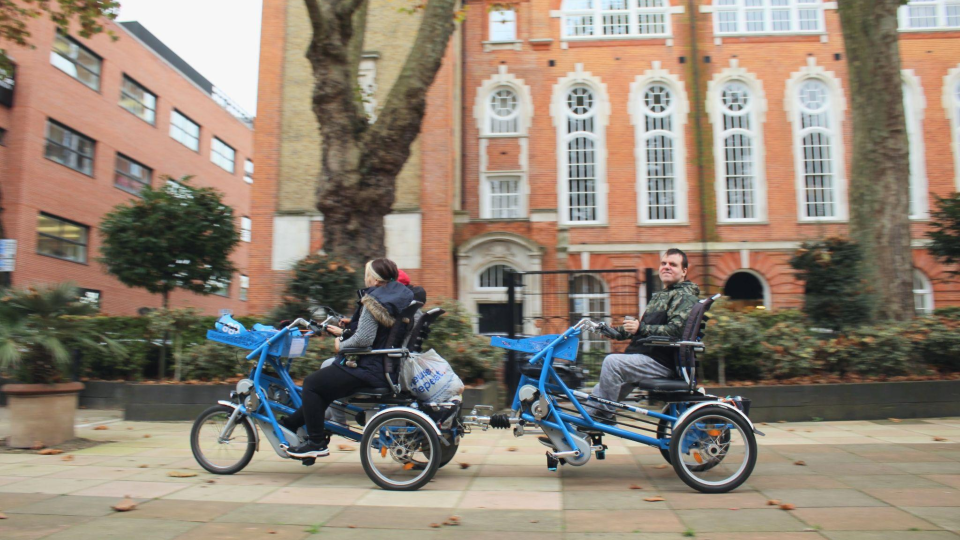
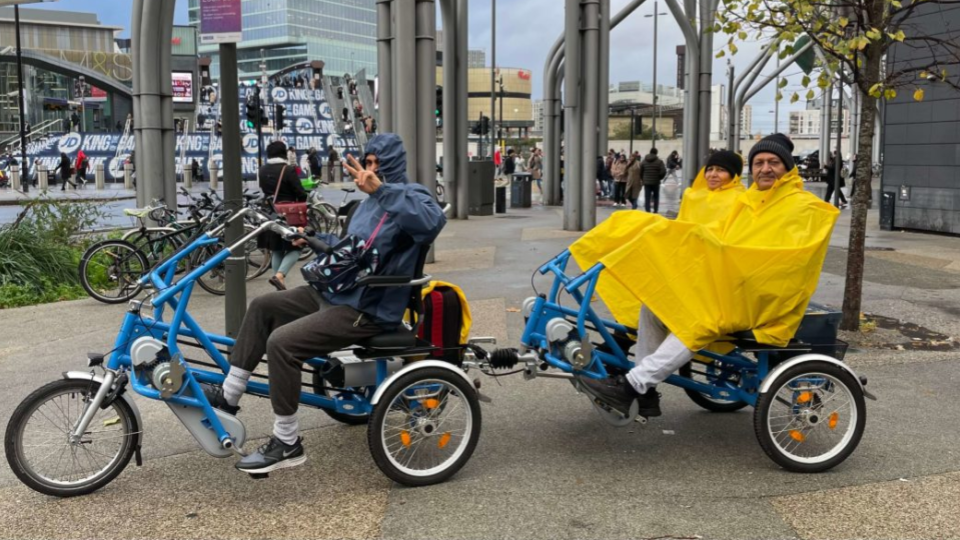
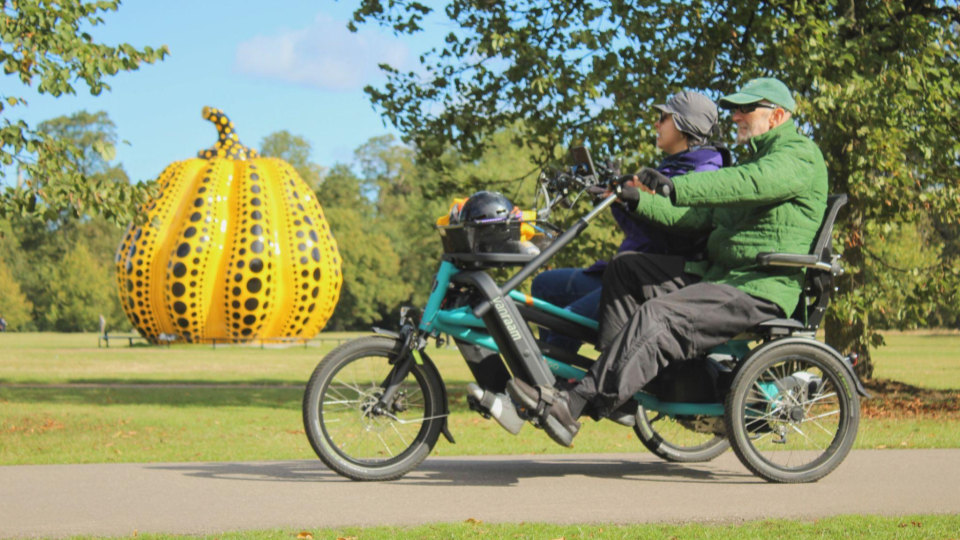
Recently, one of our clubs added two new cycles to the fleet: the Fun2Go and the EasyRider. These bikes have already transformed the way people ride together. The Fun2Go is a side-by-side tandem, so two riders can pedal and chat at the same time — perfect for friends, carers, or anyone who feels more confident with riding with company. The EasyRider, with its low step-through frame and supportive seat, makes cycling accessible for people who may struggle with balance or joint pain.

“Investing in the Fun2Go and EasyRider cycles from Bikeworks has been one of the best decisions for our community. As specialists in inclusive cycling, Bikeworks helped us choose the right bikes to meet local needs. These cycles have opened up riding to people of all ages and abilities, and we’re already seeing the benefits — more people taking part, more confidence, and more families enjoying cycling together.


I’ve seen first-hand the joy these cycles bring.

Riders who hadn’t been on a bike in years are rediscovering the freedom of movement. Families are cycling together in ways they never thought possible. One person told me that the Fun2Go made them feel like they were “part of the action again,” after years of watching from the sidelines.

For me personally, my favourite cycle is the Fun2Go. There’s something special about being able to share the ride side by side. It turns cycling into a social activity — laughter, conversation, and exercise all rolled into one.

Getting the fleet right isn’t just about variety. It’s about equity.

It ensures that no matter your age, ability, or confidence level, there’s a cycle that can work for you. That’s what makes inclusive cycling so powerful. It’s not just about bikes — it’s about freedom, wellbeing, and connection.

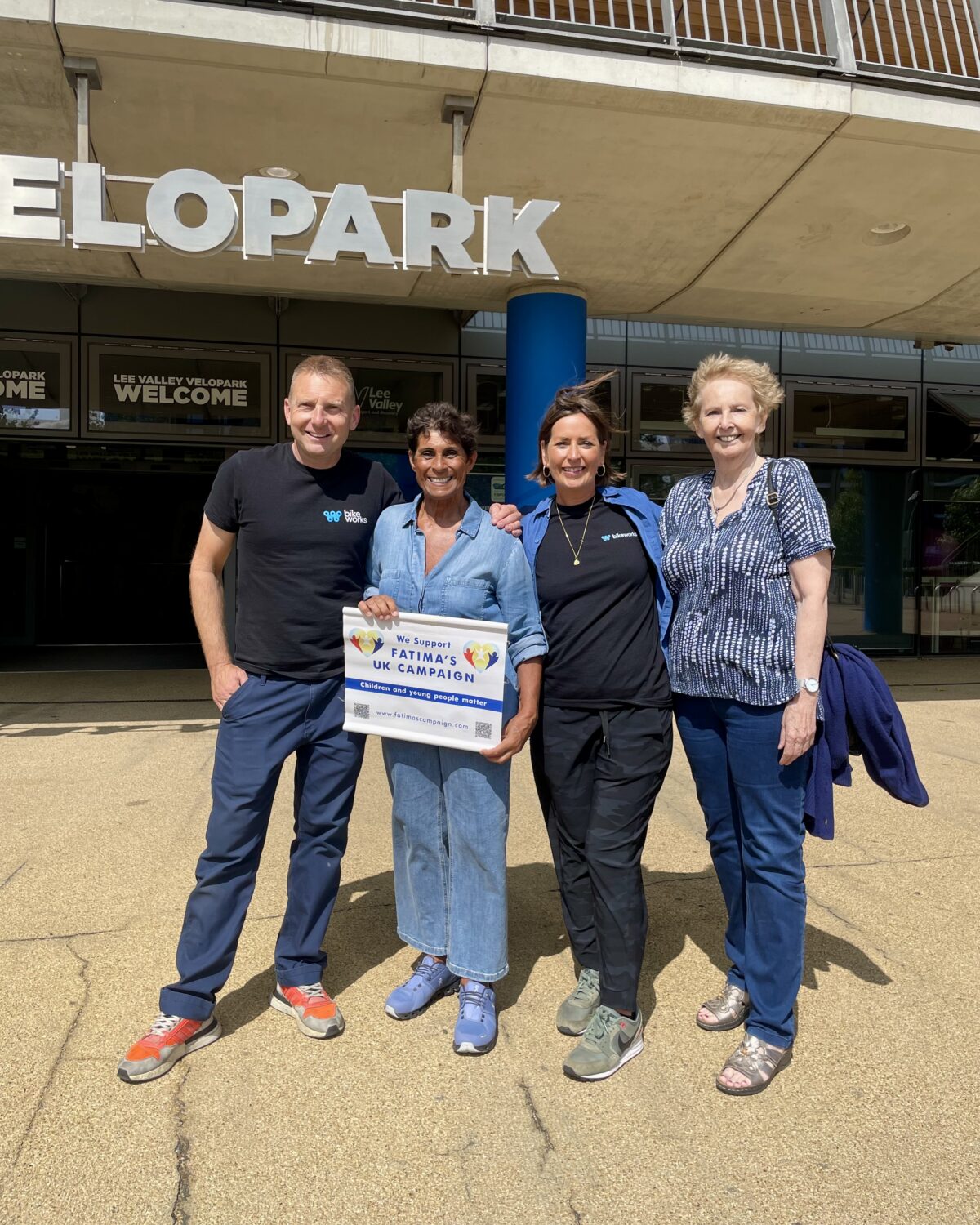
If you’re curious, visit us at our Inclusive Cycle Sales Showroom opposite the Velo in the Olympic Park, or come along to one of our All Ability Clubs. We can help you find the right fleet for your school, local authority, care home, or community group.

When Bikeworks Met Professor Muhammad Yunus – the Nobel Peace Prize Laureate & Father of Social Enterprise

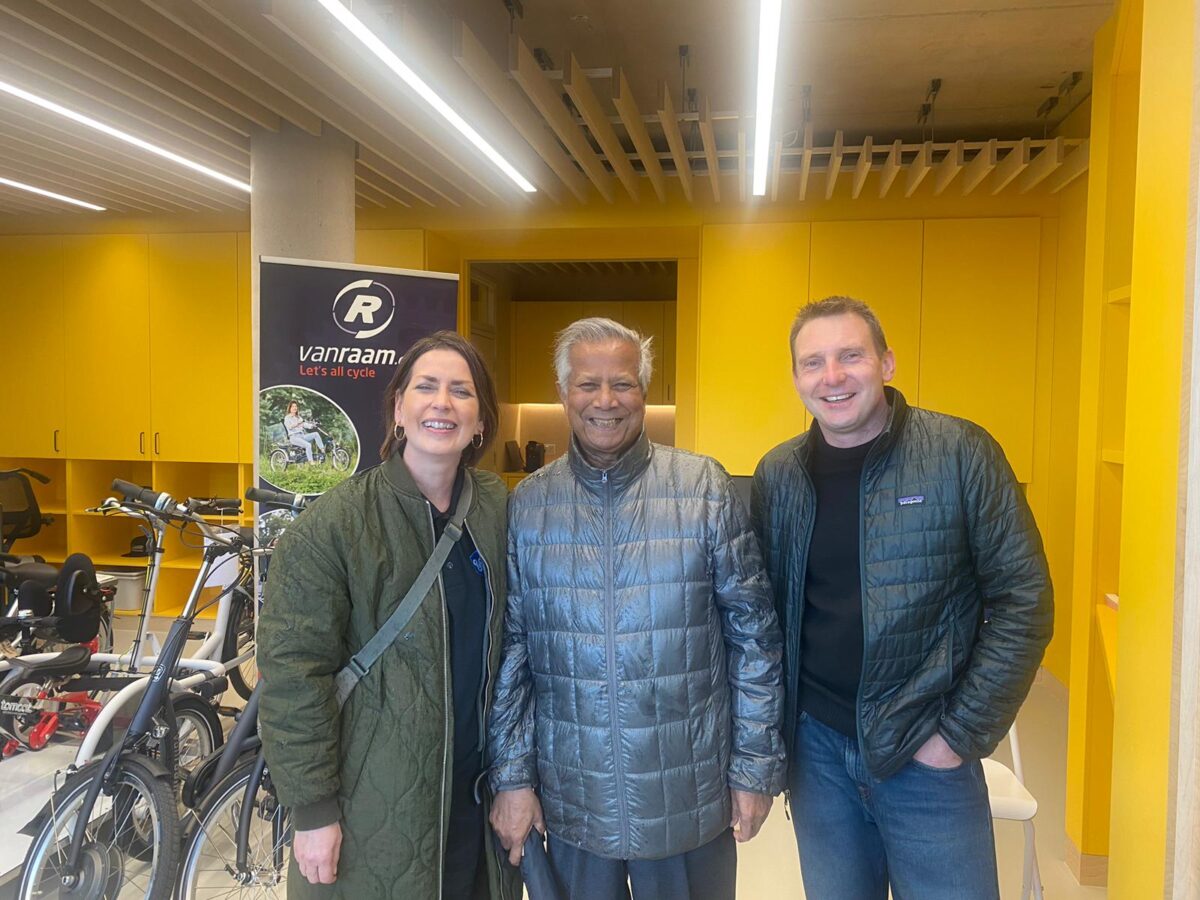
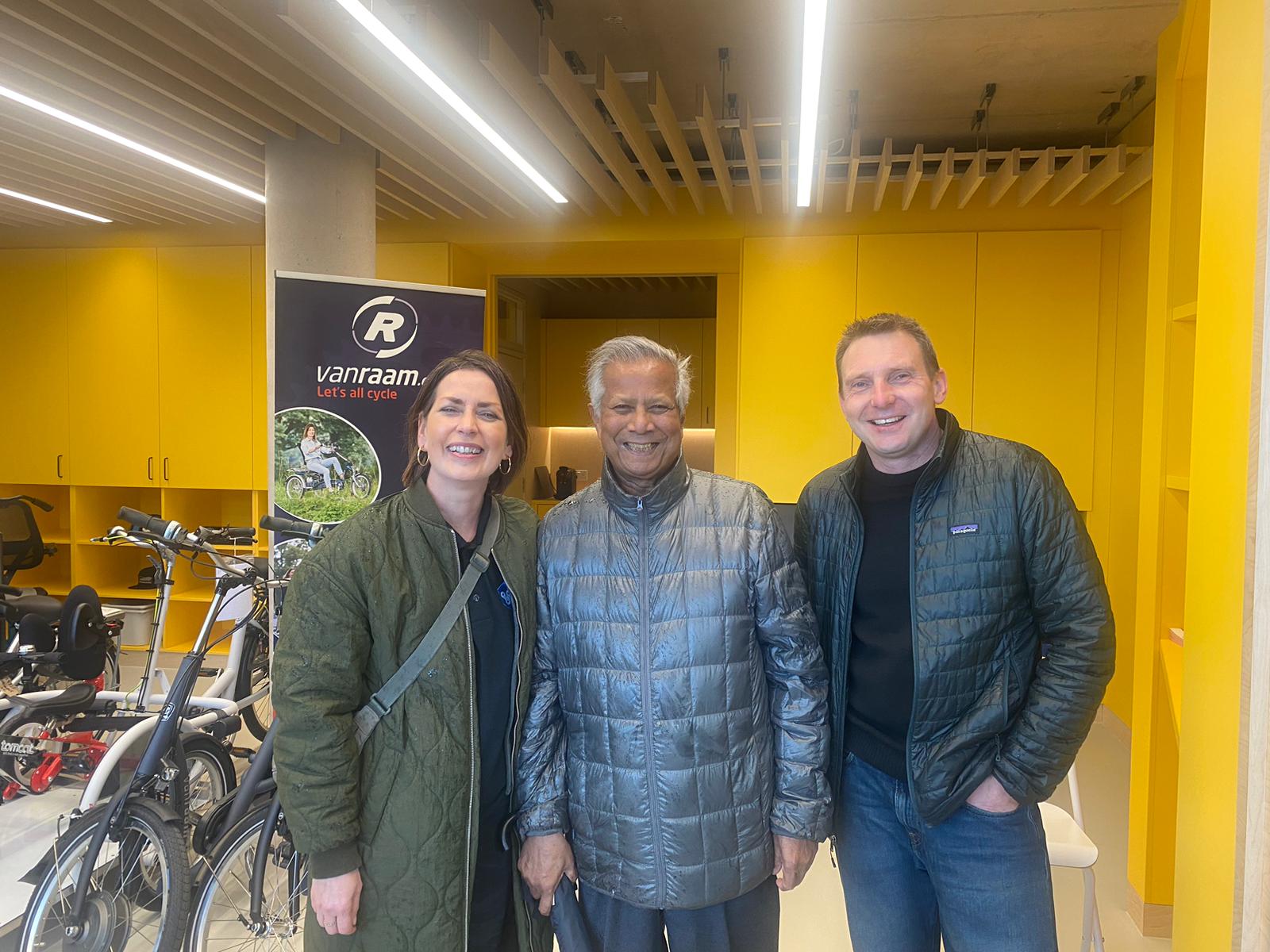
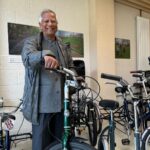
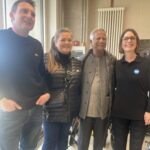
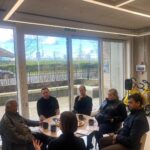
A year ago, Bikeworks had the incredible honour of welcoming Professor Muhammad Yunus – the Nobel Peace Prize laureate and widely regarded father of social enterprise – to our organisation. For our Co-Founders, Jim and Zoe, this moment was deeply meaningful, as Yunus’ pioneering work has been a profound inspiration in shaping their journey as social entrepreneurs.

Yunus has redefined the role of business in society.


Through Grameen Bank, he revolutionised micro-finance, enabling people who were previously excluded from financial systems to build businesses, create livelihoods, and escape poverty. But his impact extends far beyond finance. His innovative approach has transformed social enterprises across sectors like health, education, and even sport, demonstrating that business can be a powerful force for social change.

In 2021, the International Olympic Committee (IOC) honoured Yunus with the Olympic Laurel during the Tokyo 2020 Opening Ceremony, recognising his extraordinary achievements in education, culture, development, and peace through sport. Yunus’ collaboration with the IOC aims to integrate social business principles into the Olympic Games, ensuring that these global events leave a lasting, positive legacy for local communities.

This resonates deeply with us at Bikeworks – we share Yunus’s belief in using business to address inequalityNearly 19 years ago, Bikeworks’ original vision, Olympic Bikes, was born from the idea that the London 2012 Olympics should create a lasting legacy – not just for elite sport, but for accessibility, healthy communities, and inclusive travel. Inspired by Yunnus, our Co-Founders saw firsthand how social enterprises could drive change, create jobs, and promote wellbeing – using the growth of the social enterprise movement and the cycle as a tool for good. 

Yunus’ visit to Bikeworks was a moment of profound reflection and motivation.


His vision and leadership have shaped the social enterprise movement we are proud to be a part of. The extraordinary events of the past year in his life – culminating in his unprecedented rise to lead Bangladesh, overcoming intense political opposition and personal persecution – serve as a powerful reminder of how social business can challenge the status quo and reshape entire systems.

The world is changing, and the role of social enterprises has never been more crucial as a movement for a more inclusive, fairer world.


Huge thanks go to Peter Holbrook, Emily Cherry, Shazia Hussain, and everyone at Pioneers Post, QEOP LLDC, School of Social Entrepreneurs and Social Enterprise UK.